Five Reasons Your Blonde Hair, Which You Had as a Child, Faded, and How to Bring It Back Naturally
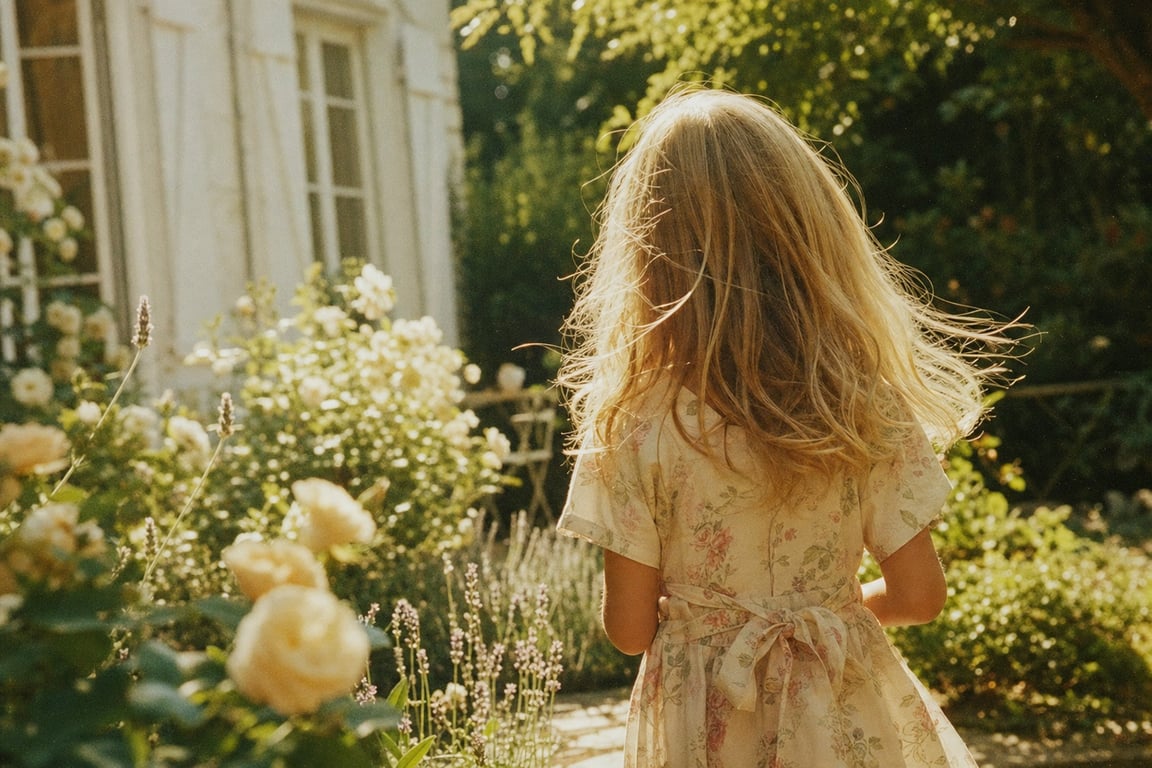




Your hair was blonde when you were a child.
There are photographs of it. Your family remembers it. Maybe you can still see a little of it around your face after a week in the sun.
But it does not grow that colour anymore.
Some women spend years colouring their hair to get close to the blonde they once had. Others have never dyed theirs at all. Either way, the change happened so slowly that there was never one particular day when the blonde disappeared.
There are five reasons it happened, and most importantly, how to get that blonde back naturally.
1. Your hair started producing more dark pigment
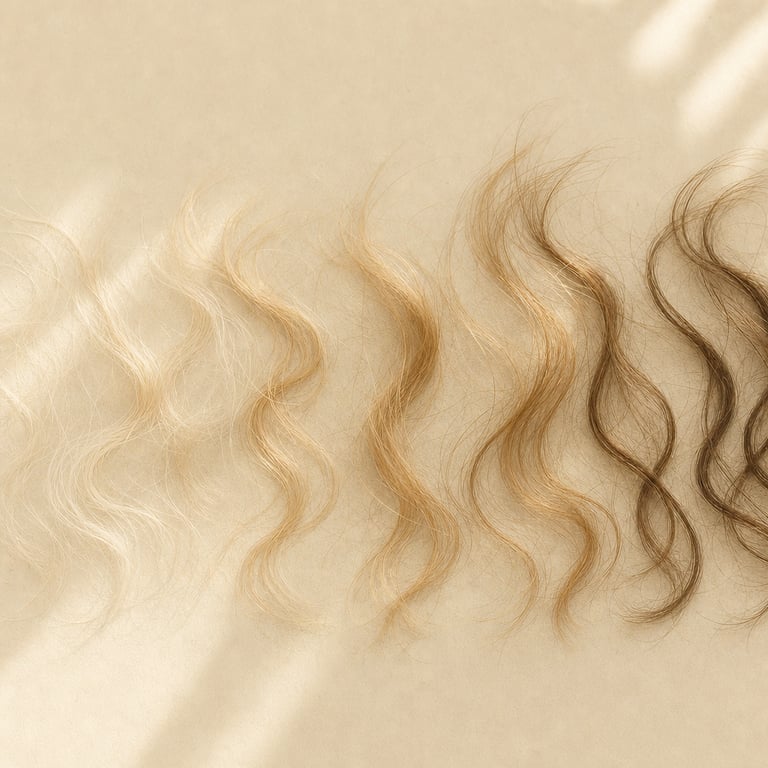
Hair colour is largely determined by eumelanin, the pigment responsible for brown and black tones.
When you were a child, your follicles were putting less of it into each strand. That is why your hair grew blonde.
As you got older, your melanocytes, the cells responsible for producing pigment, became more active. Every new strand grew with a little more eumelanin in it.
Same head. Same follicles. More pigment.
It happened one growth cycle at a time, so there was no obvious moment when your hair changed. You did not cause it, and there was nothing you could have done to prevent it.
2. Puberty pushed the change along
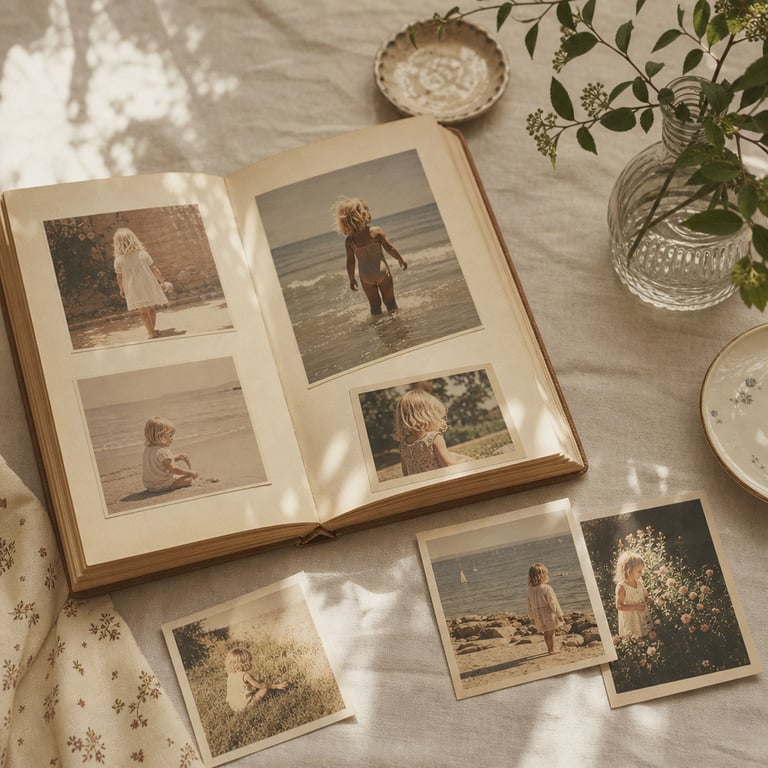
The hormonal changes that happen during puberty can also affect hair pigmentation.
That is why so many women tell a similar story. They were very blonde as young children, dark blonde by their early teens and noticeably darker by the time they finished school.
It was not caused by a shampoo, a haircut or anything their parents did. Their hair was responding to the same developmental changes happening throughout the rest of the body.
The blonde did not vanish overnight. It simply became a little darker each time new hair grew.
3. Your hair became thicker
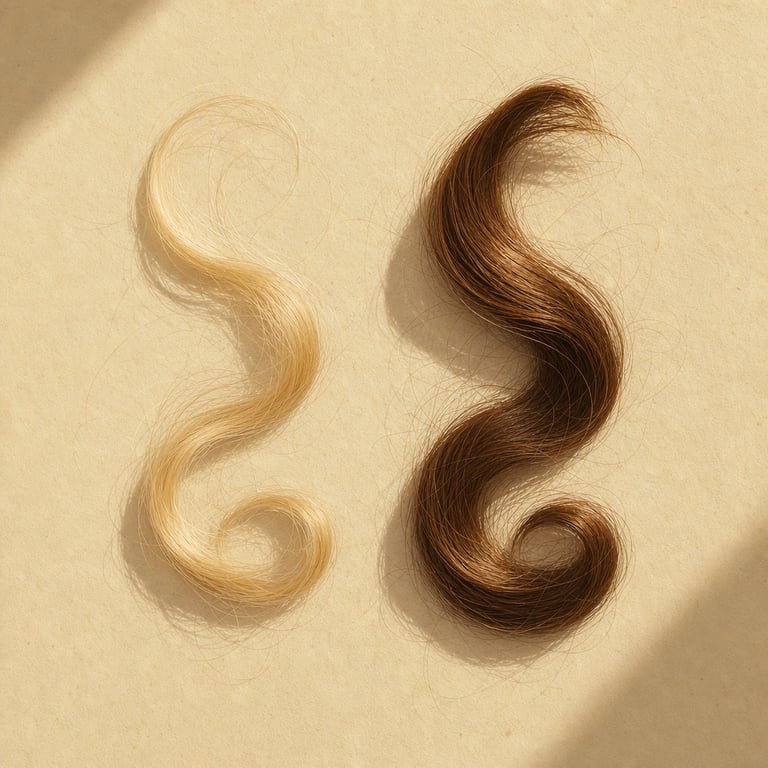
This one is easy to miss because it is not only about colour.
A fine strand and a thick strand can contain a similar shade of pigment and still look different. Fine hair reflects more light, which can make it appear brighter. A thicker strand can hold more pigment and often reads as deeper and darker.
Hair commonly becomes thicker or coarser as you grow.
So some of the change you see is additional pigment. Some of it is the same pigment sitting inside a thicker adult strand and no longer catching the light as your childhood hair did.
Those are the three biological reasons. Your hair began producing more pigment, puberty accelerated the change and the strands themselves became thicker.
But that is only half the explanation.
4. You stopped having your hair lightened every day
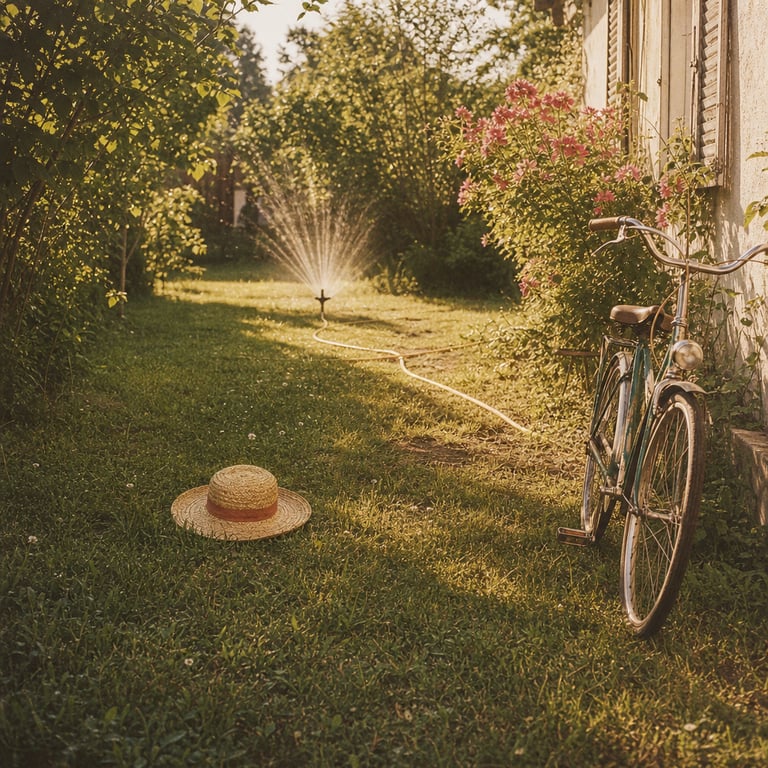
When you were a child, you probably spent far more time outside.
You were in the garden until somebody called you in. You walked to school. You spent afternoons at the pool and whole weeks somewhere hot without thinking about covering your hair.
All that sunlight was gradually breaking down pigment in your hair. It was lightening your hair constantly, for free, without you ever deciding to do it. You assumed that was simply your natural colour because you had never known it any other way.
Then adult life arrived. Work moved indoors. Hair went up. Hats came out. Most days passed without your hair spending hours in direct sunlight.
Your follicles were producing more pigment at exactly the same time that the thing lightening that pigment disappeared.
You can still see the old effect after a holiday. Spend a week somewhere hot and lighter pieces begin appearing around your face. The lengths pick up warmer, golden tones. Your hair starts looking a little more like the colour you remember.
The same process still works. It simply gets about ten days a year to work instead of an entire childhood.
5. Nothing you have used since has replaced the lightening
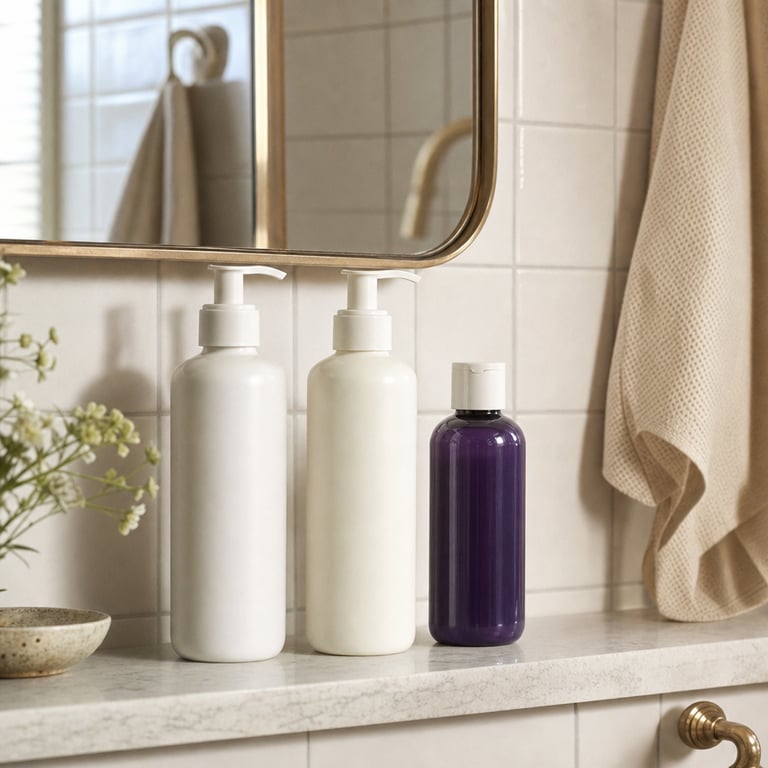
Look at what is in your bathroom.
Shampoo, conditioner, a mask and perhaps a purple shampoo if your hair is fair.
Every one of those is a maintenance product. They clean your hair, soften it and adjust the tone already there. None of them makes darker hair lighter.
Purple shampoo can reduce yellow tones in hair that is already light, but it cannot remove enough pigment to turn a darker strand blonde. A mask can improve the condition of your hair, but it cannot lift its colour.
You could use those products faithfully for ten years and your hair would remain the same depth. Maintaining a colour and lightening a colour are two different jobs. Your routine has only ever been doing the first one.
For around twenty years, darker new growth has been coming in while nothing on the other side has been lightening it.
"It wasn't just my hair that grew back, I did too. I was a blonde little girl. My hair was naturally light, sunlit, full of life. Then I grew up and the shade changed but I always felt the absence of that blonde deep inside. I wanted it back. I wanted me back."Vivien C. · Verified customer
What all five have in common
By the time you were an adult, every new strand was growing darker, and nothing in your routine was lightening it again.
Because the blonde you remember was not only the colour your follicles produced. It was that naturally fair colour after years of sunlight. Your hair grew, the sun lifted some of its pigment, and the same thing happened again the next day. You never noticed because it had been happening for as long as you could remember.
Then two things changed at once. Your natural colour became darker, and you stopped spending enough time outside for the light to keep lifting it.
So bringing that blonde back does not mean forcing your hair into a colour it has never been. It means gradually replacing the lightening your hair used to get naturally, without having to wait for summer.
Somebody has already worked this out in 1954
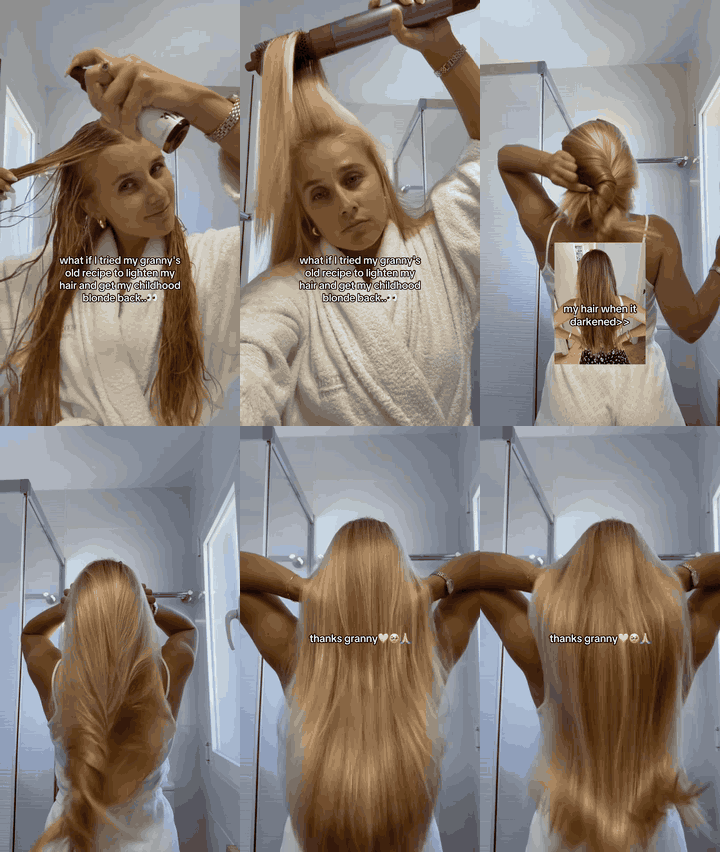
From OMAD'S on TikTok: trying her grandmother's old recipe to bring back the blonde she had as a child.
In 1954, a Belgian woman called Pioupiou mixed a formula in her kitchen to help keep her hair the lighter colour it had been.
Today, her granddaughter Zoé makes OMAD'S in the family laboratory in Belgium. The idea behind it remains the same.
The formula contains seven ingredients: water, low-strength hydrogen peroxide, citric acid, Roman chamomile, cornflower and two preservatives. That is the complete list.
It is 95% natural and scores 100/100 on Yuka. There is no ammonia, bleach powder or separate developer to mix.
OMAD'S gradually lifts pigment from the hair. Heat helps activate the formula, which means you can use a hairdryer instead of waiting for weeks of strong sunlight.
Your hairdryer replaces the heat of those childhood summers.
It may not sound particularly romantic, but it is why you can use OMAD'S in November and still bring back the lighter colour you remember.
Satisfaction guaranteed. Free delivery on orders over €70.
How to use it
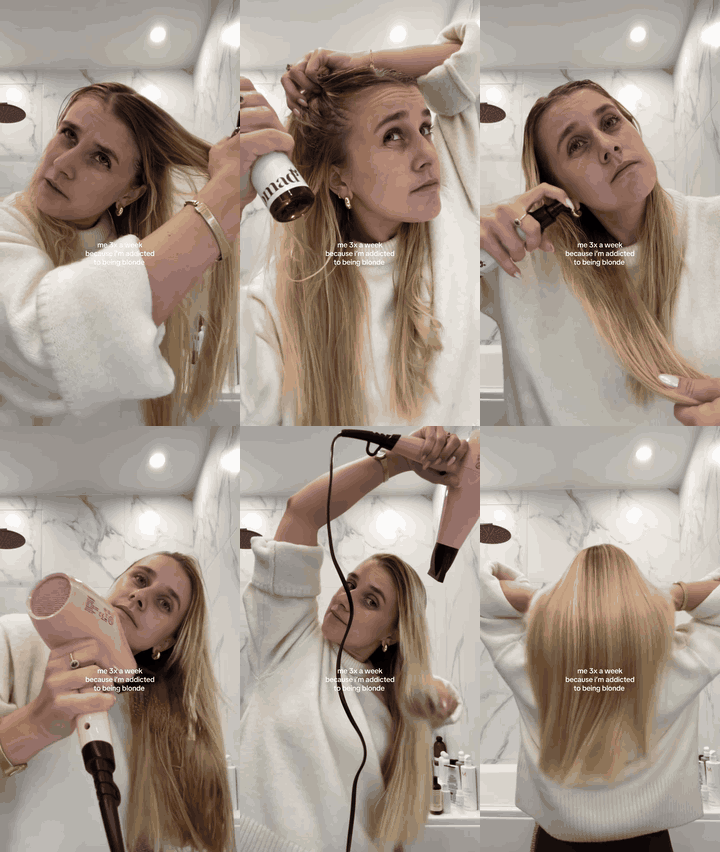
From OMAD'S on TikTok: the routine, three times a week. Spray, then heat.
The routine takes around five minutes, three times a week.
Once you are happy with the result, use it around once a week to maintain the lighter colour as new hair grows.
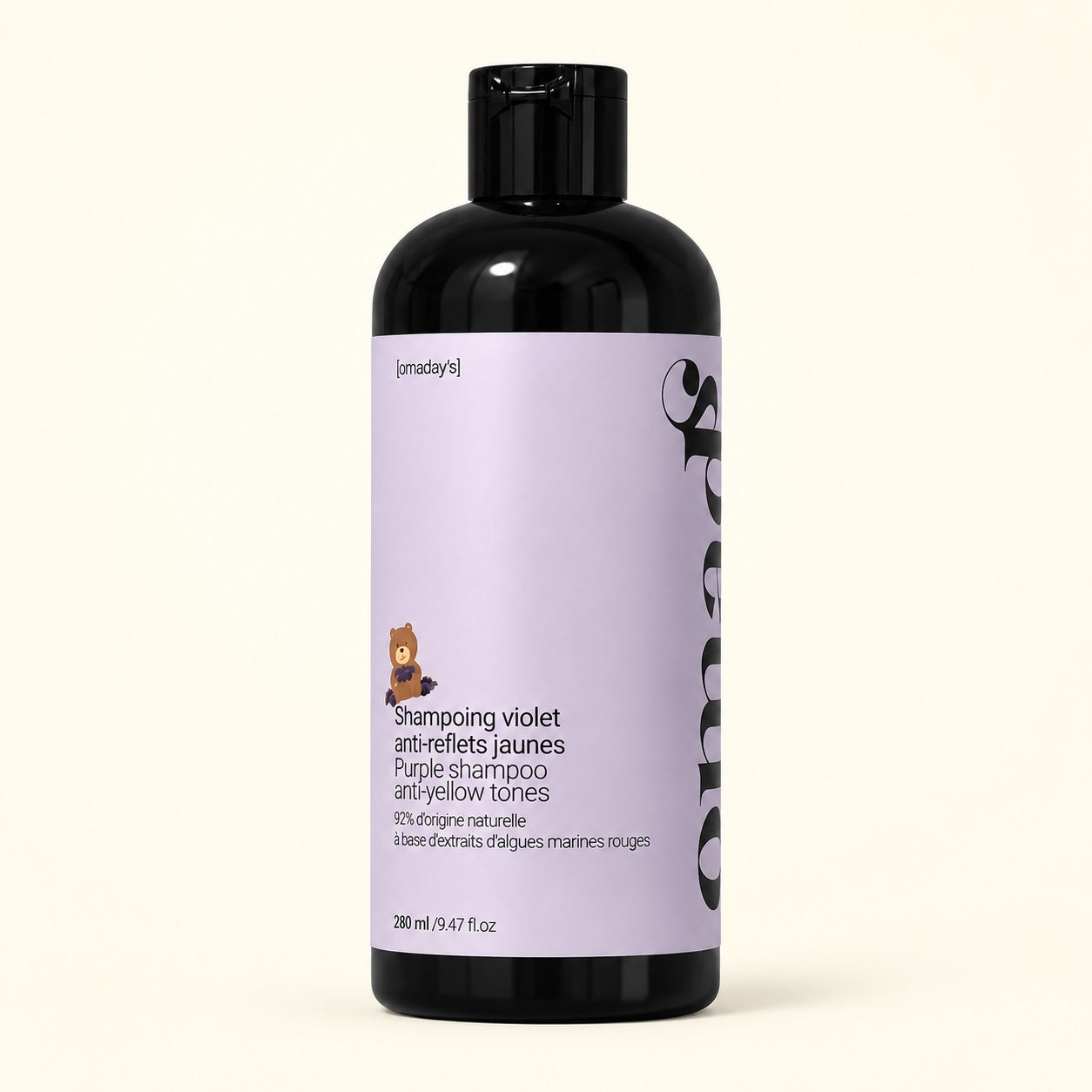
If the result looks warmer than you prefer, OMAD'S purple shampoo can soften the yellow or golden tones.
What it looks like at first

From OMAD'S on TikTok: the same hair, before and after.
Your hair will usually become warmer before it becomes noticeably lighter.
If you are starting with dark blonde or light brown hair, that generally means golden or honey tones. The kind of colour your hair used to reach towards the end of August.
The first application may be subtle. You might look in the mirror and wonder whether you can see a difference or whether you imagined it. That is normal.
OMAD'S works gradually, which gives you control over the final shade. You keep using it until you have brought back as much of the blonde as you want, then stop.
There is no sudden transformation into a colour that does not feel like yours.
It still looks like your hair. Just lighter.
Once the pigment has lifted, it stays lifted
OMAD'S is not a temporary colour sitting on top of your hair and waiting to disappear after a few washes.
Once a section has been lightened, shampoo will not make it dark again. The result does not fade away simply because summer ends.
New hair will still grow in at your current natural colour. Because OMAD'S lightens gradually and can be applied only where you want it, the new growth comes through softly instead of leaving the hard stripe you can get from an all-over colour.
Once you have reached the blonde you want, you only need to maintain the new growth or lighten individual pieces when they need it. You are not starting again from nothing every spring.
One OMAD'S customer, Mel, put it this way after finishing her first bottle:
"Colleagues asked me if I had been to the hairdresser, and seemed doubtful when I said no. So it shows!"
Mel · Verified review, translated from FrenchSatisfaction guaranteed. Free delivery on orders over €70.
OMAD'S vs. Salon or Box Dye
| OMAD'S | SALON / BOX DYE | |
|---|---|---|
| Gradual: you control the final shade | ||
| Applied only where you want it | ||
| No ammonia, bleach powder or developer | ||
| 95% natural, 100/100 on Yuka | ||
| Five minutes at home with a hairdryer | ||
| Soft regrowth, no hard stripe | ||
| Result does not wash out | ||
| Feels like your own colour coming back |
Customer Reviews
4.5 out of 5 · 2,600+ reviewsIf you want the blonde you had as a child back
Most women assume they have two choices. Leave their hair as it is, or colour it at a salon or with a box dye.
But both of those colouring options can feel like turning your hair into a different colour rather than bringing back the one you already recognise as yours.
OMAD'S gives you a more gradual way to return to it. You choose where to apply it. You control how light it becomes. You stop when your hair looks like your hair again.
Start with one bottle and see what three weeks does.
See which starting shades OMAD'S lightens and what the results look like after three weeks →
Made in Belgium since 1954
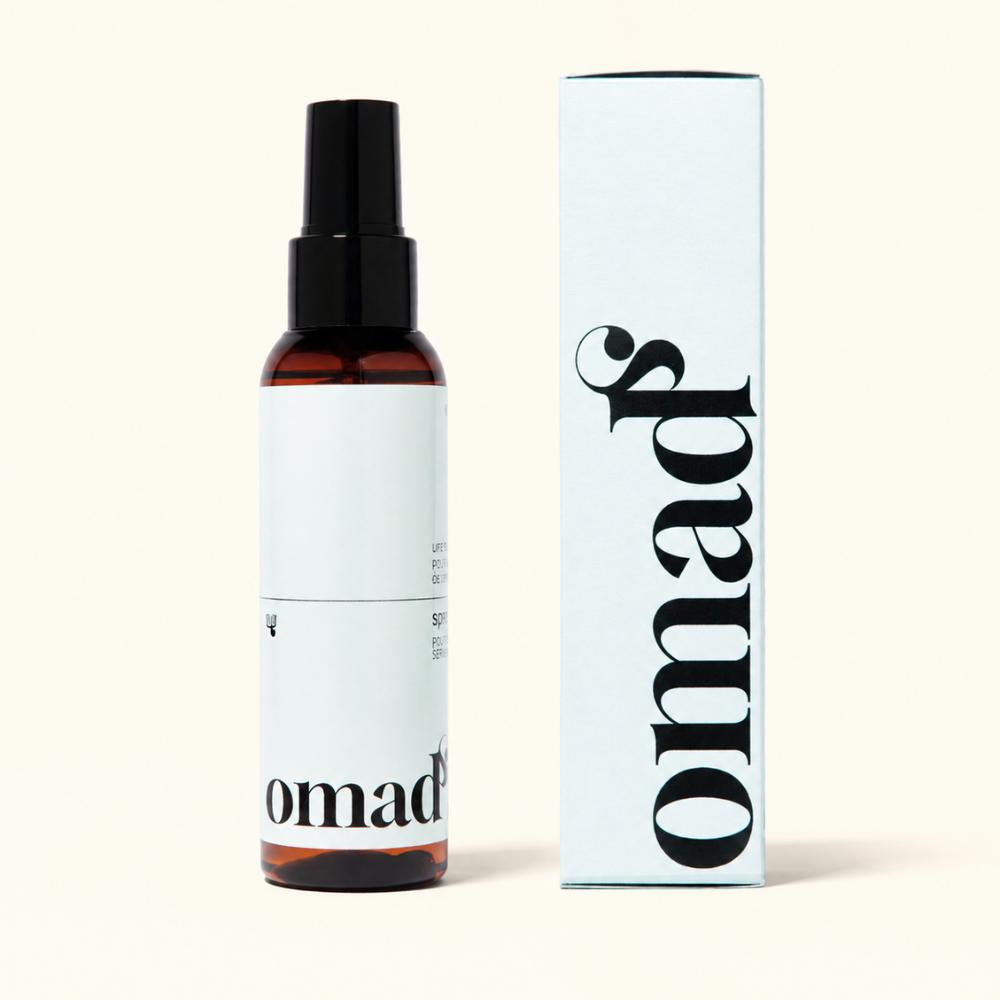
The OMAD'S Lightening Spray →
2 sprays €68 · 3 sprays €87
Satisfaction guaranteed. 100 ml, made in the family laboratory in Belgium.
Get the OMAD'S spray →Goes with the spray
From the same family laboratory in Belgium.