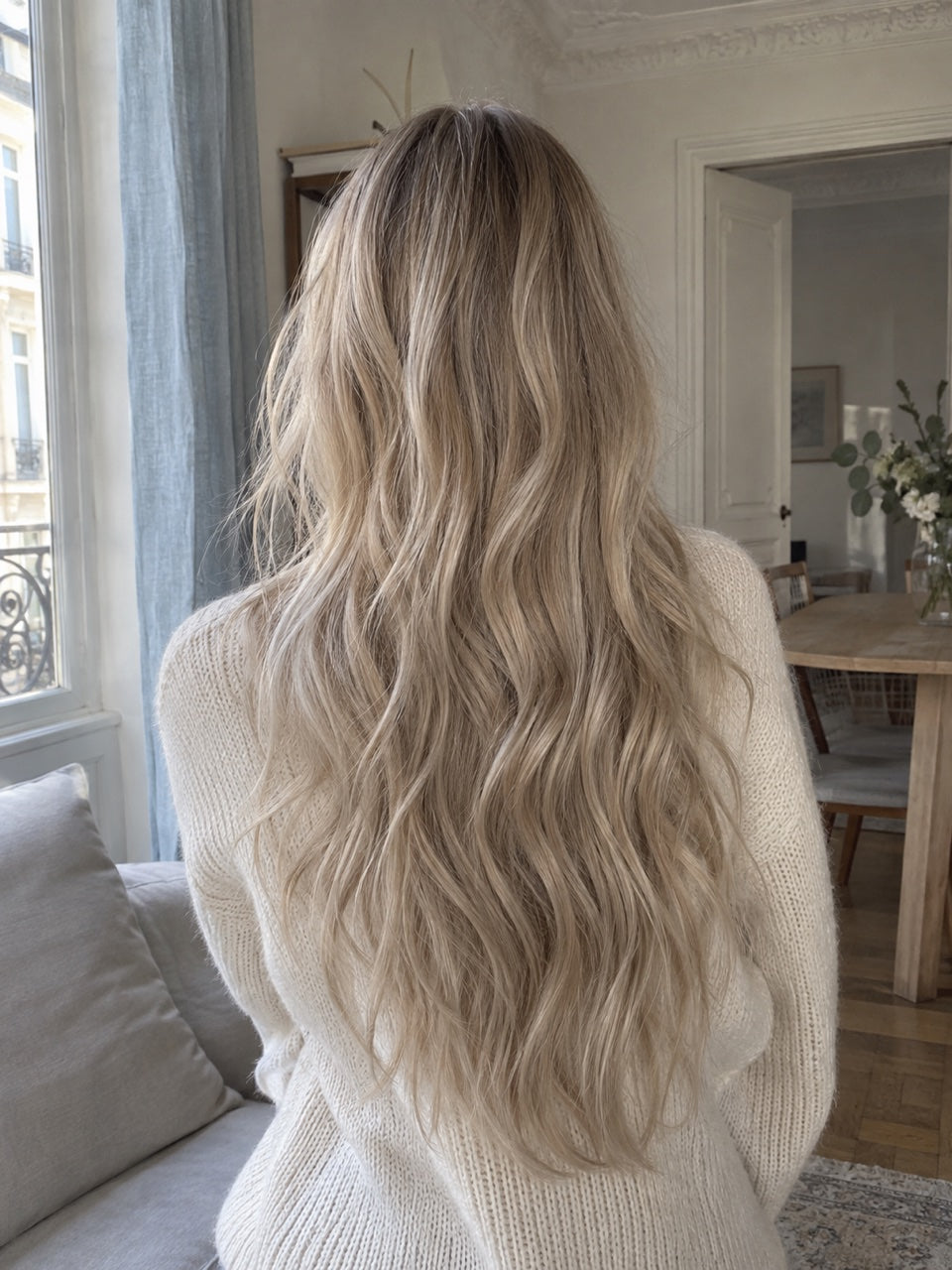


Your base is light brown or dark blonde
The darker the base, the more red-orange pigment it hides. Gentle lightening, with a spray or the sun, brings it up before you reach blonde.
You lighten your hair and your lengths turn brassy? It’s not you, it’s the underlying pigment showing through. The Blue shampoo is coming to neutralise it. Leave your email and you’ll be served first.
PS: this is its very first release, it has never been on sale on the site before, sign up so you don’t miss launch day
By signing up, you agree to receive our emails about this launch. Unsubscribe in one click.
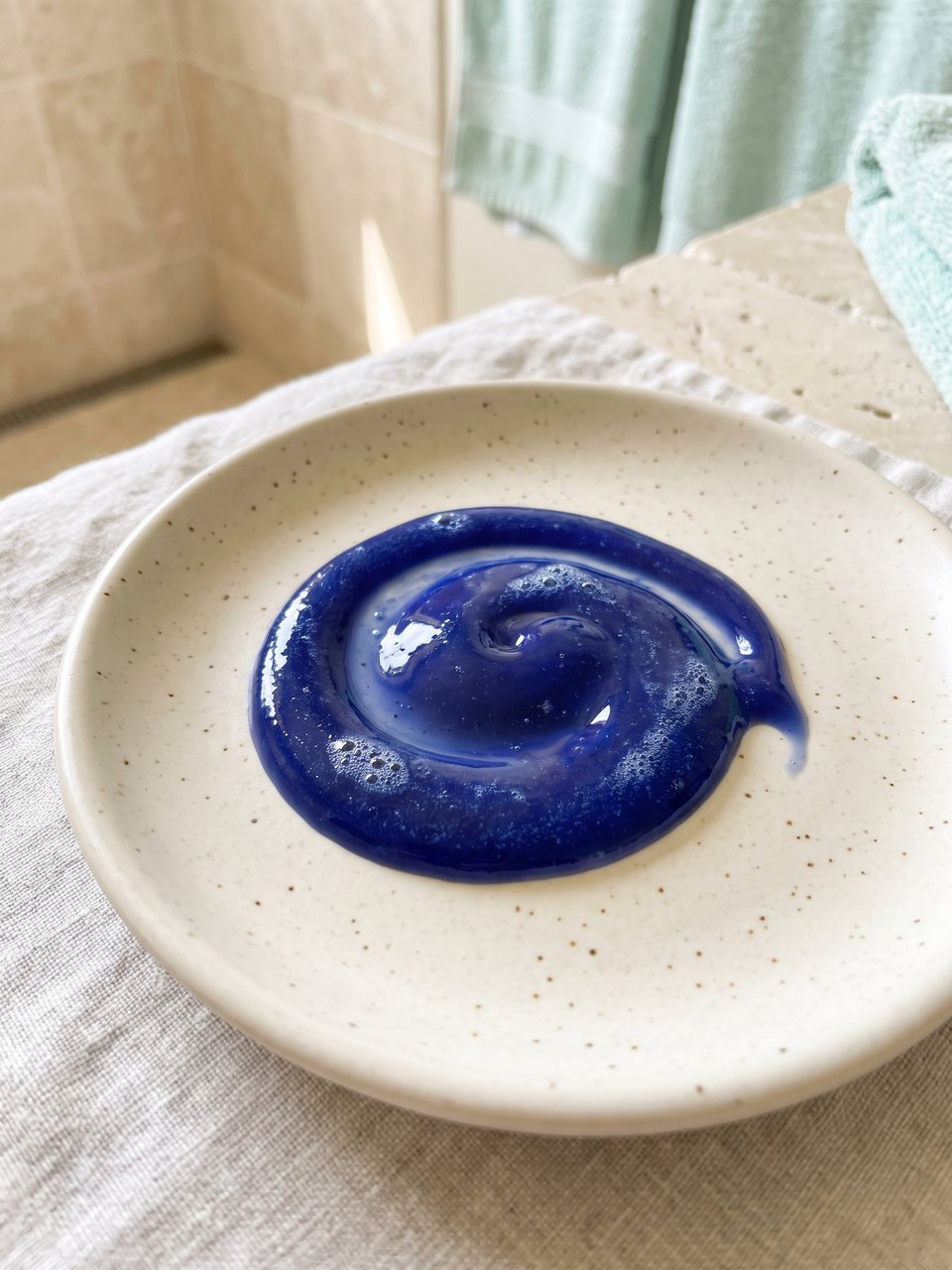
Blue sits opposite orange on the colour wheel: its pigments neutralise the brassy tones that show up on lightened lengths, without touching your starting colour.
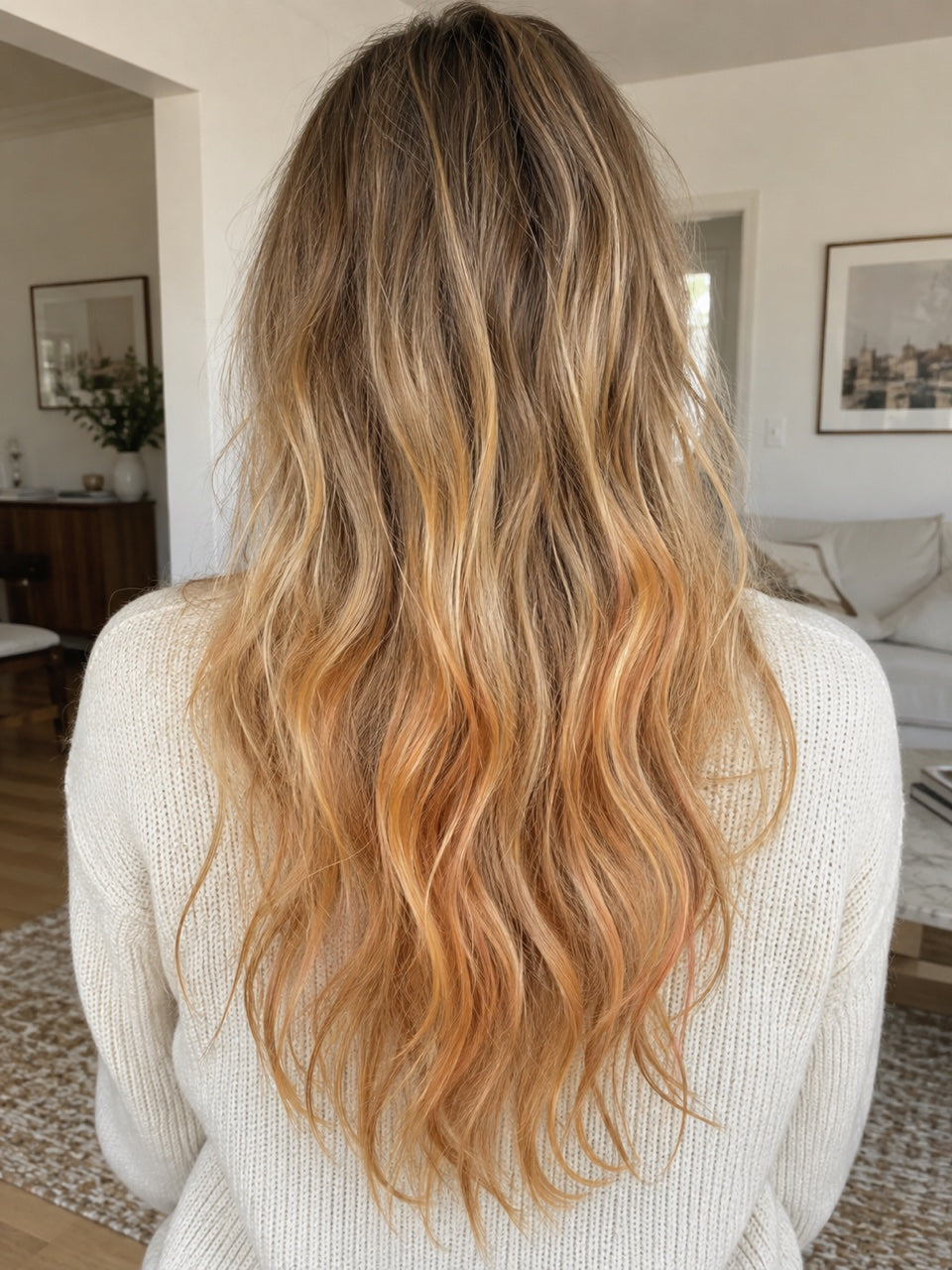
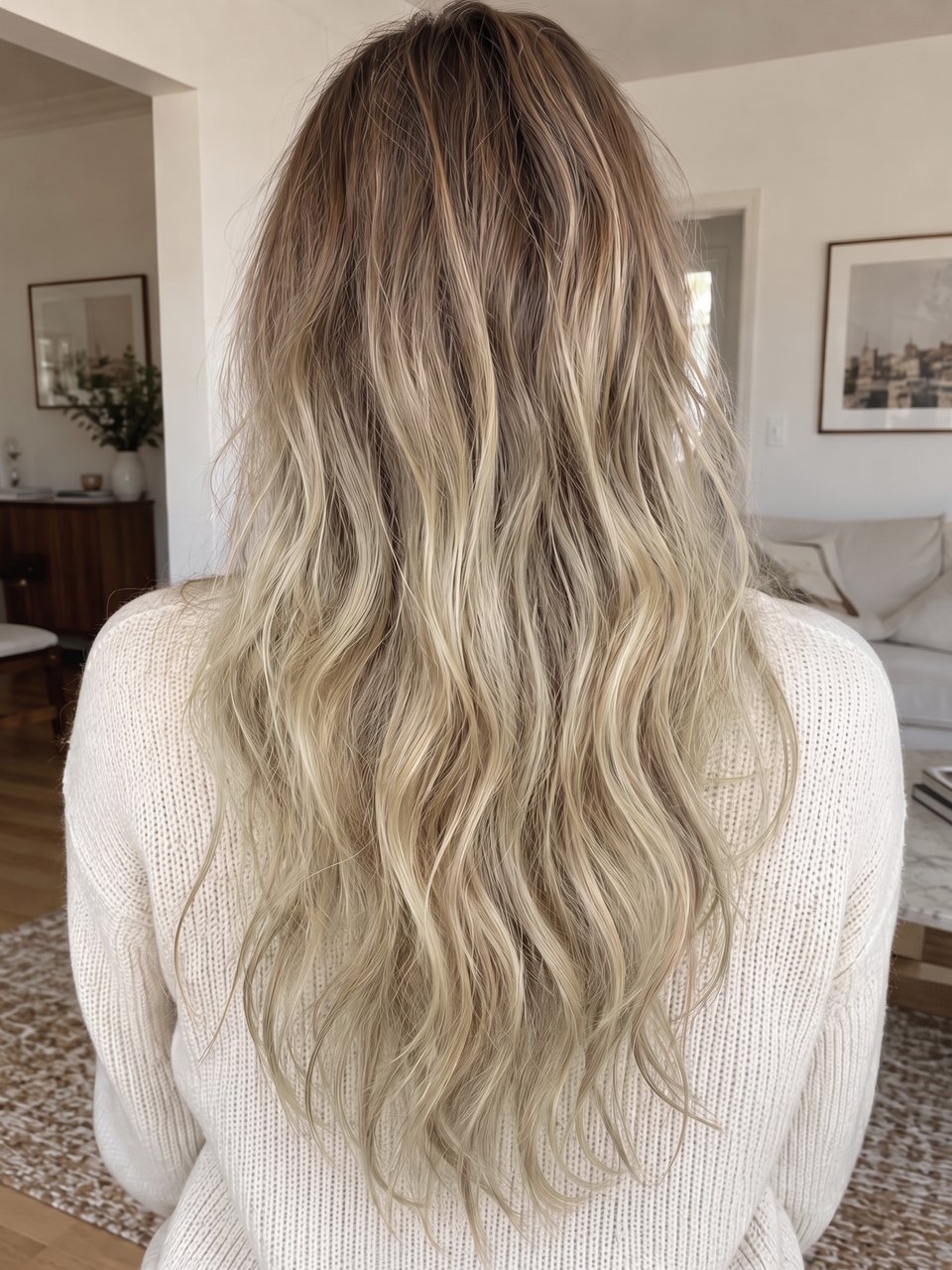
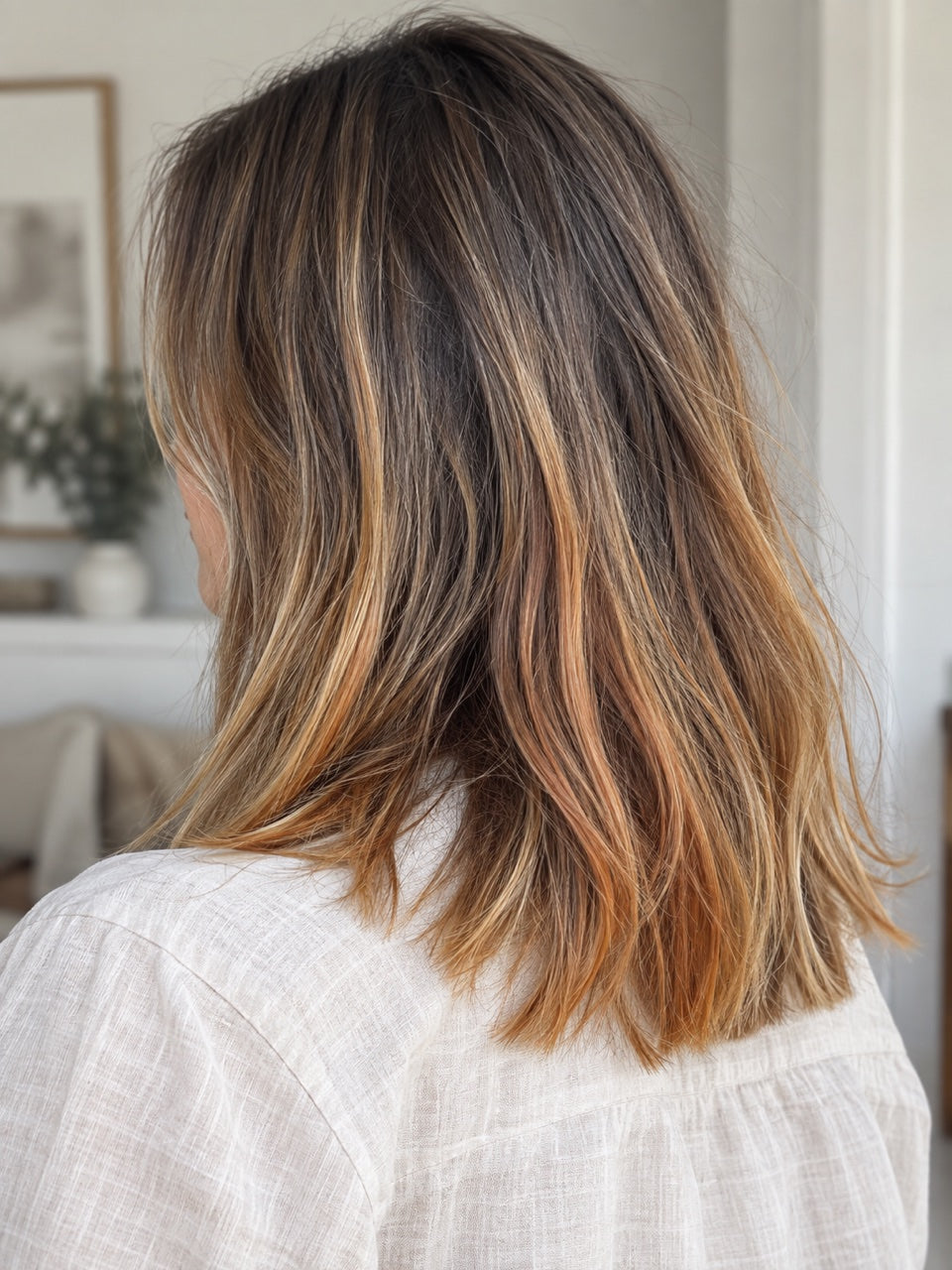
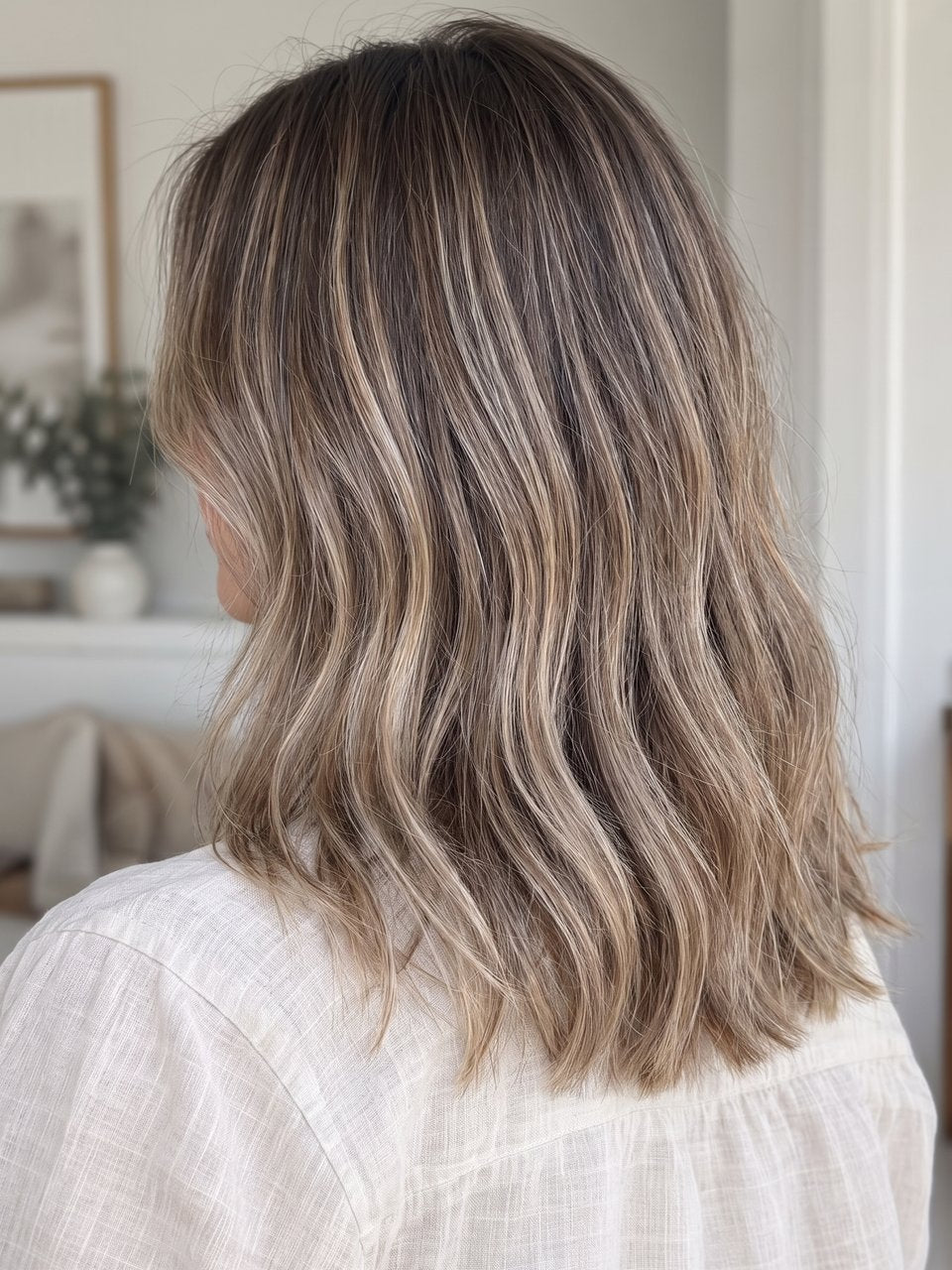
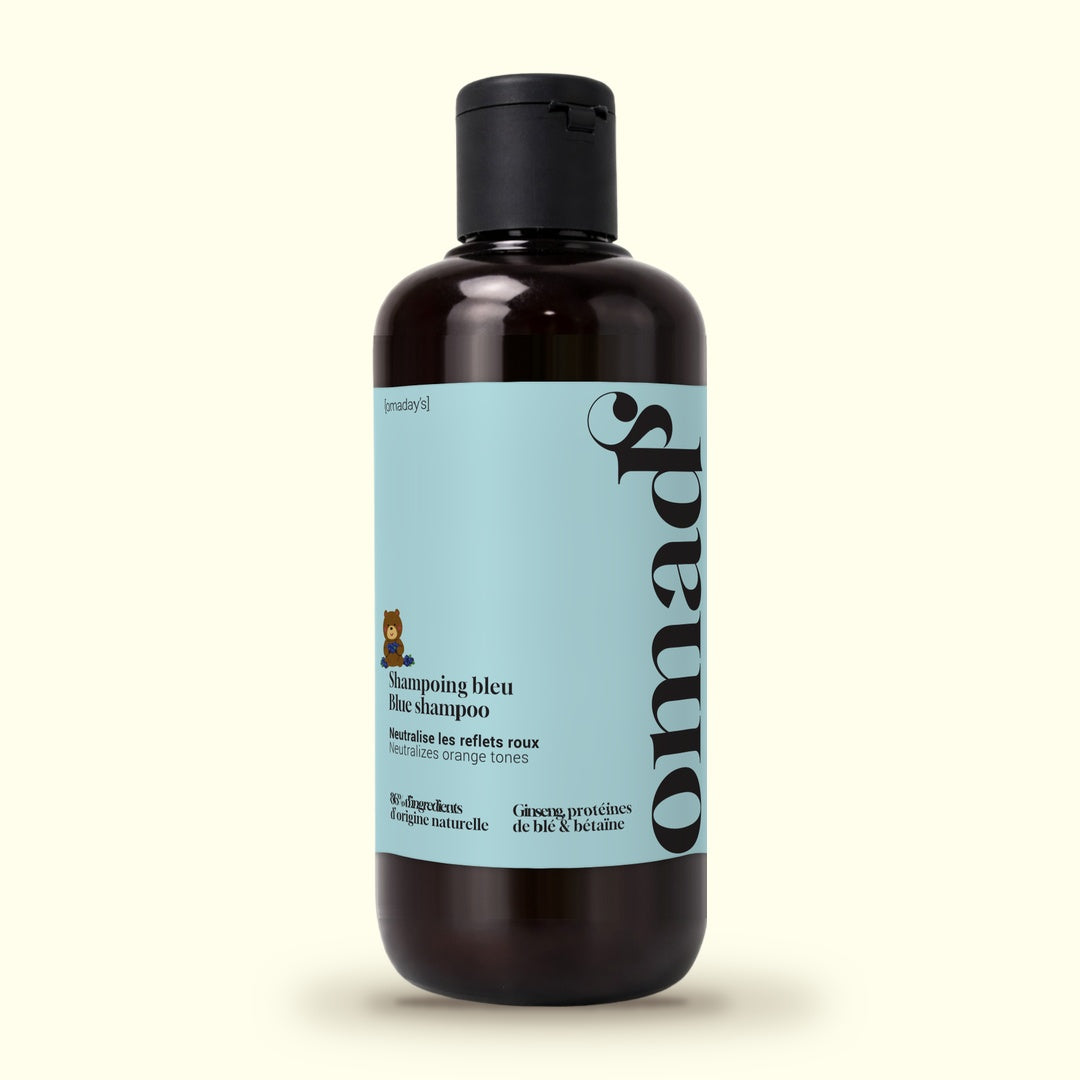
Its blue pigments settle on lightened lengths and neutralise brassy tones. It corrects the tone, it doesn’t lighten.
Light brown or dark blonde hair holds two pigments: a brown one and a red-orange one. When you lighten, the brown goes first and the red-orange stays. It’s not a flaw, it’s hair chemistry, the same as at the salon.
The darker the base, the more red-orange pigment it hides. Gentle lightening, with a spray or the sun, brings it up before you reach blonde.
When you start the spray, your darkest areas lighten first: that’s where brassiness shows up, and it looks even warmer next to the strands that are already light. Over time it settles on the lengths, which add up sun and applications.
UV rays break down cool tones before warm ones. Chlorine and the metals in water, copper and iron, settle on lightened hair and warm it up even more.
When you start using a lightening spray, there’s one fear everyone shares: turning brassy. And on a brown or darker base, it’s true: red-orange is the first tone to show up. For me, the Blue shampoo is the only way for brunettes and darker shades to get back to a blonde that isn’t too warm. It doesn’t lighten, it neutralises the brassiness: exactly what was missing alongside the spray.
Zoé1 to 3 minutes, once or twice a week. That’s it.
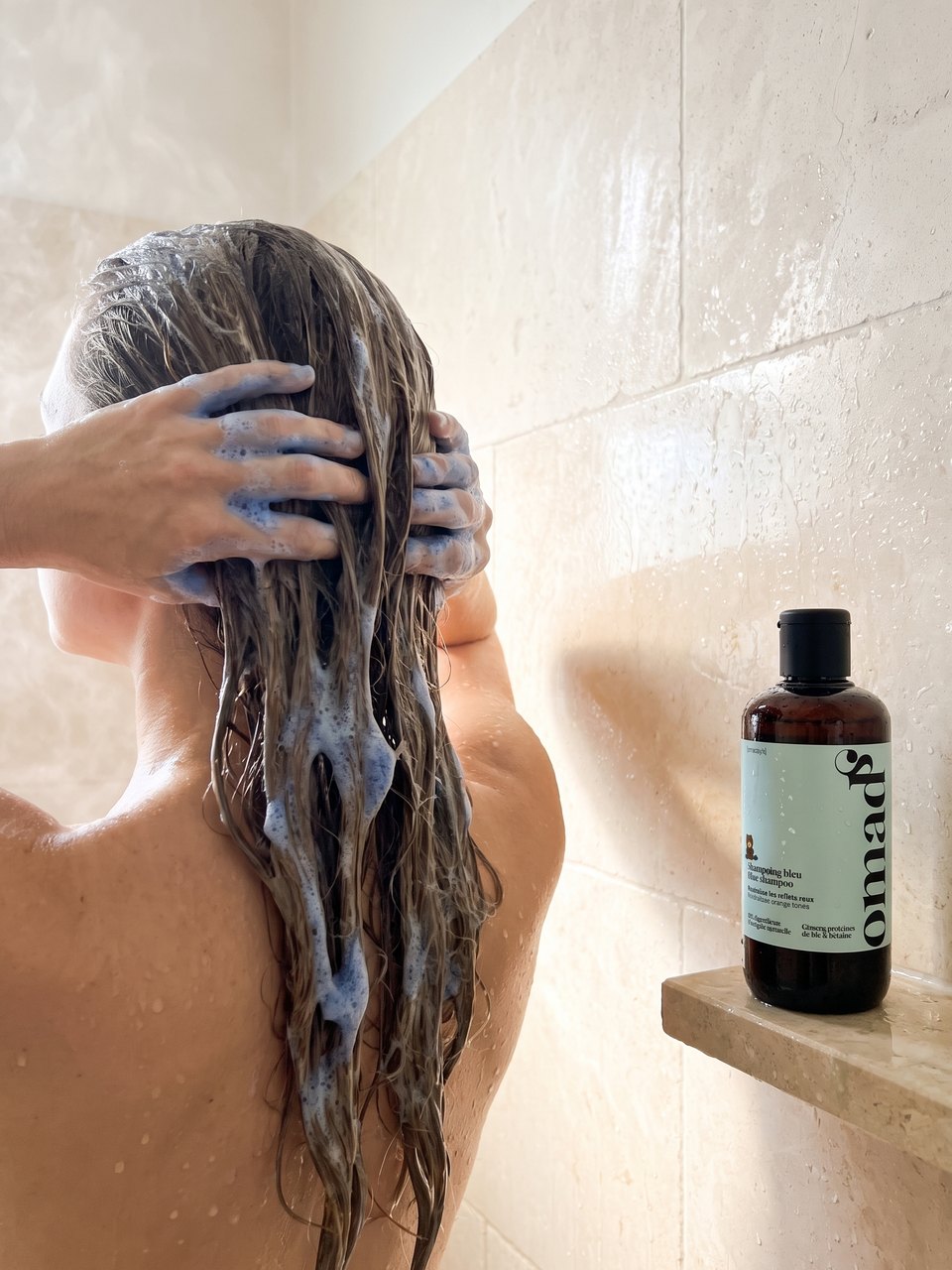
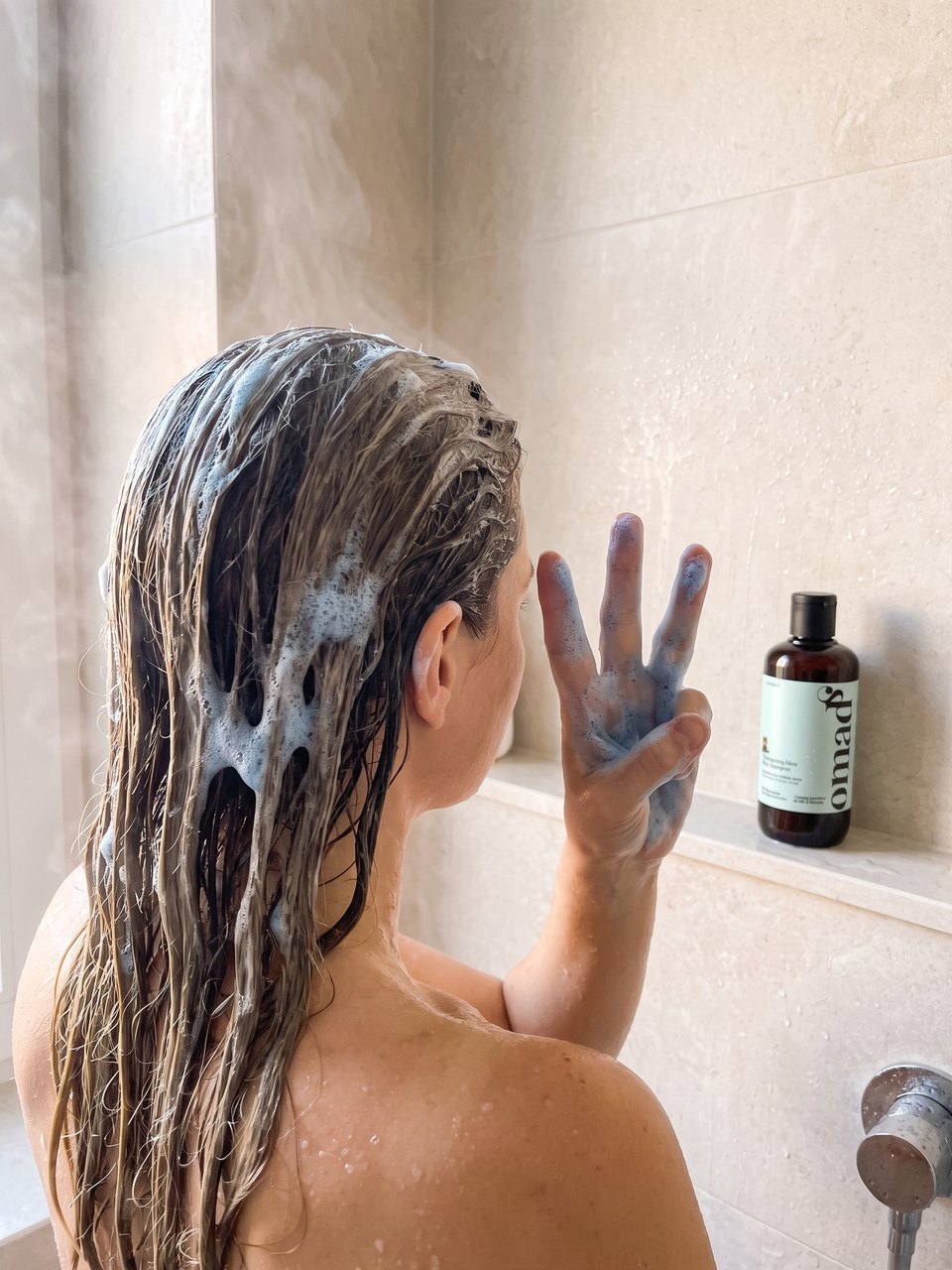
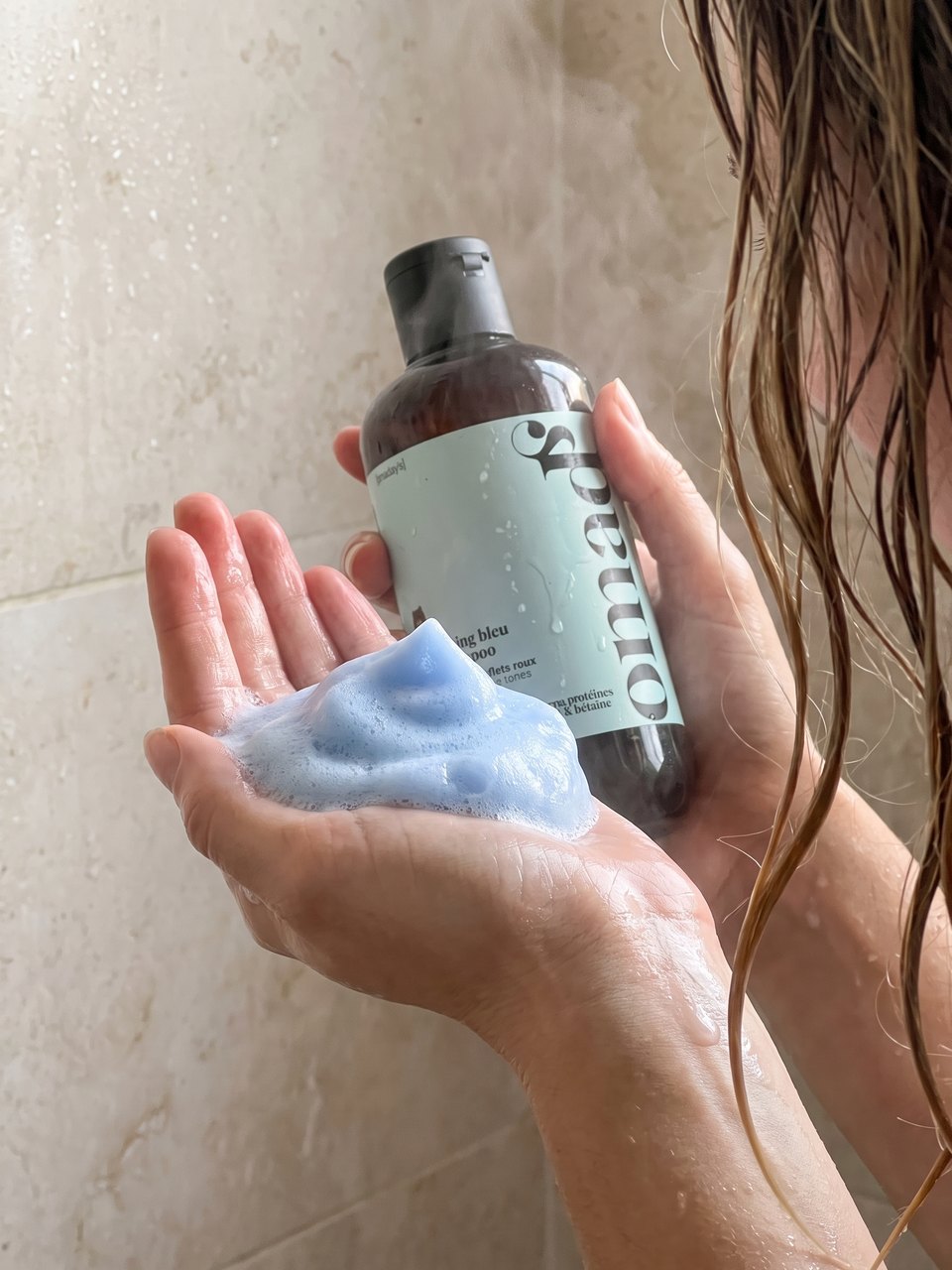
Apply the shampoo and work it into a lather, focusing on the lightened lengths.
Let it work while the blue pigments settle, then rinse thoroughly.
That’s the maintenance routine. In between, keep using your usual shampoo.
For lightened, highlighted or balayage hair that turns brassy.
Blue pigments to correct brassy tones in the lengths.
Tone correction without lightening your starting colour.
Leave on for 1 to 3 minutes, 1 to 2 times a week.
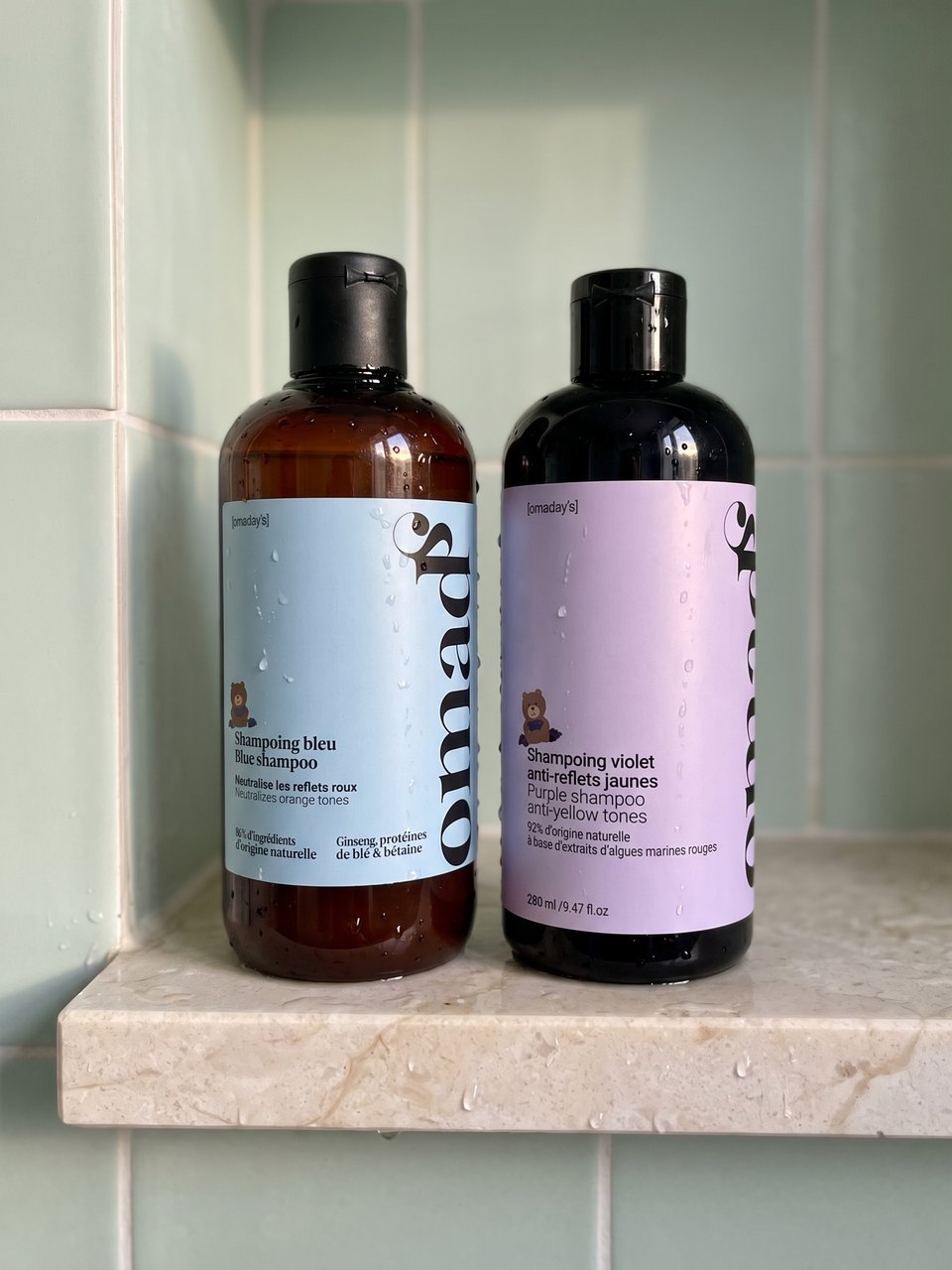
Blue neutralises brassiness. Purple neutralises yellow. Both aim for a cooler blonde.
A formula designed to correct the tone without lightening your starting colour.
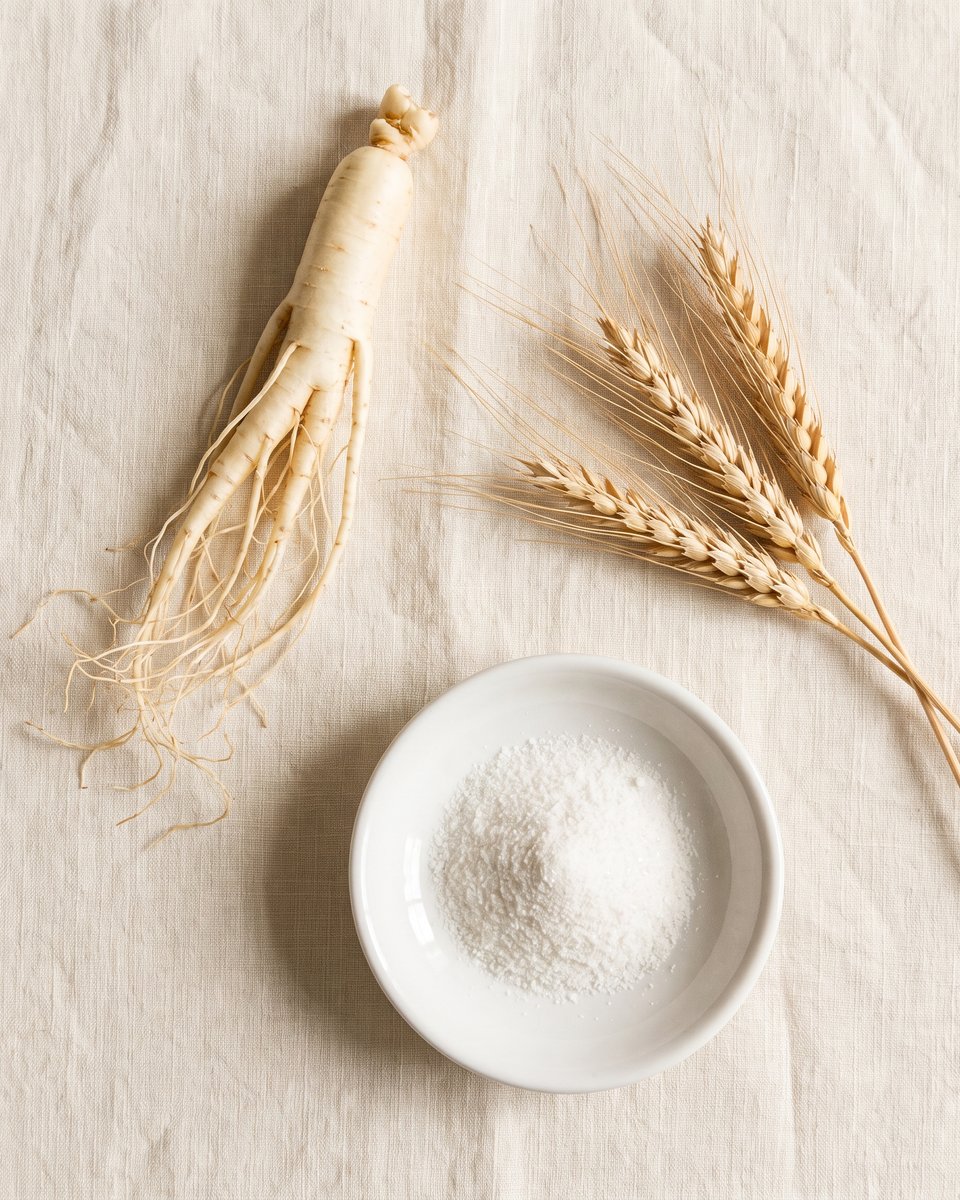
Plus blue pigments to neutralise brassy tones.
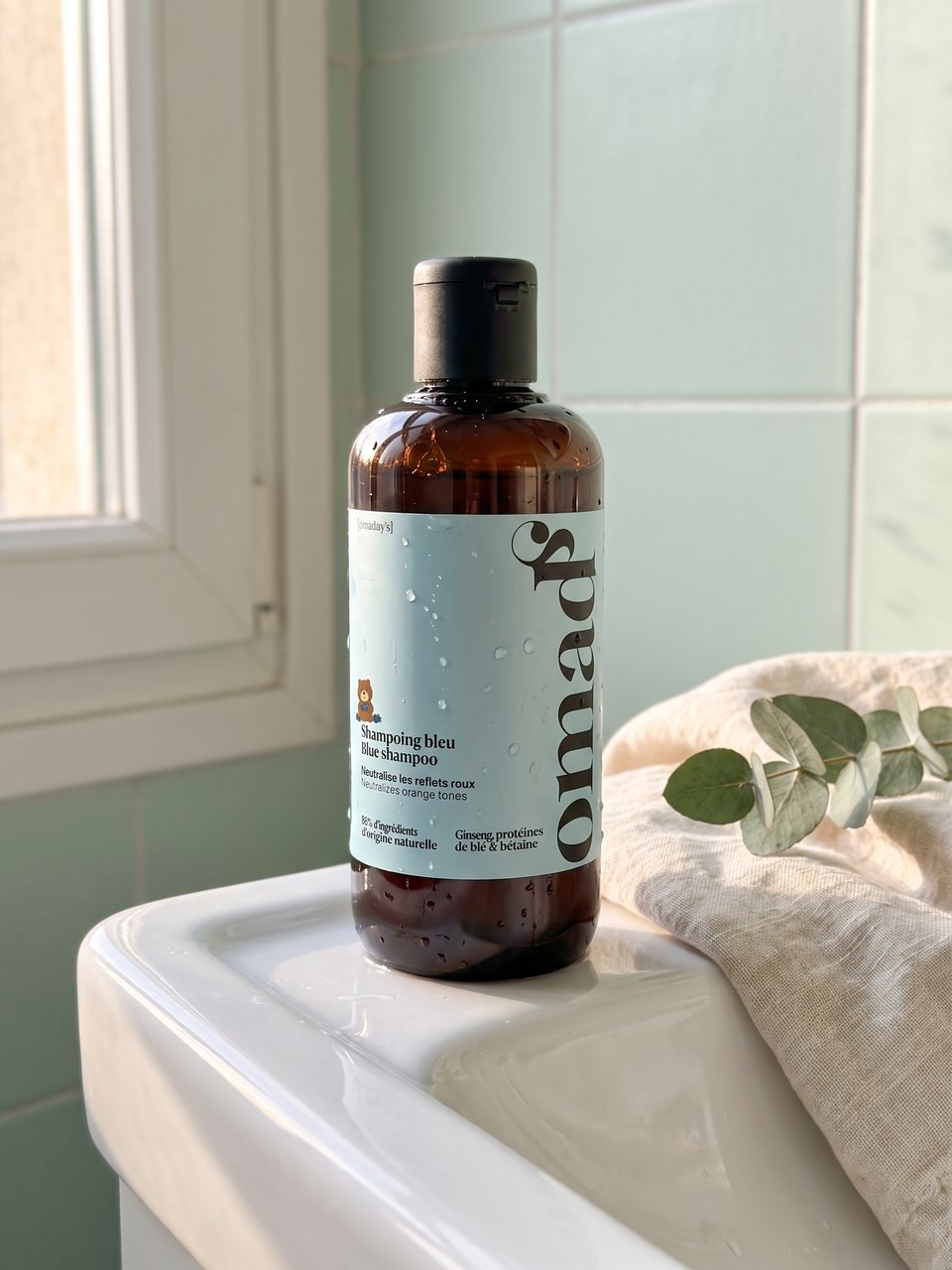
The three actives featured on the bottle.
250 ml bottle.
By signing up, you agree to receive our emails about this launch. Unsubscribe in one click.
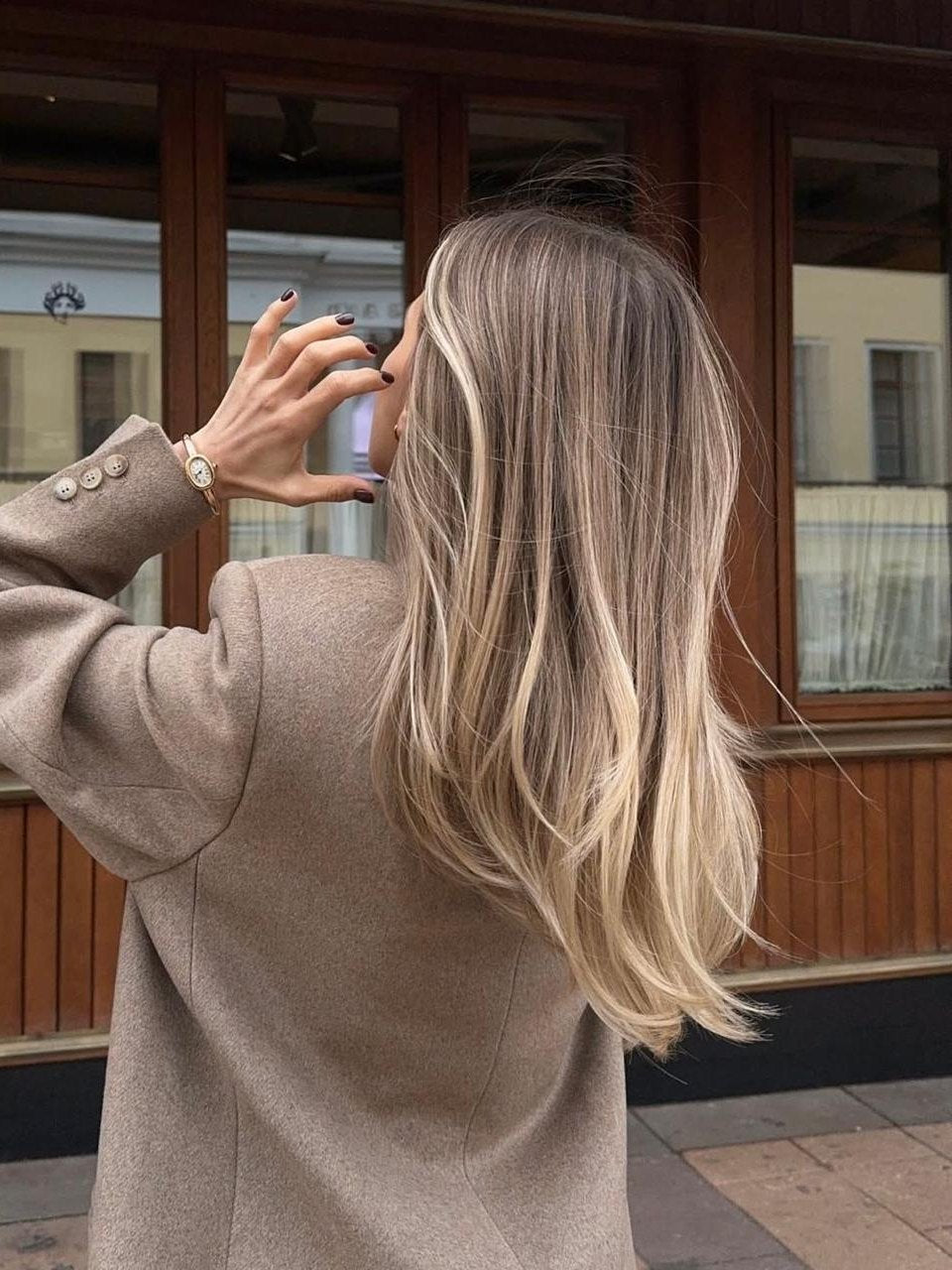
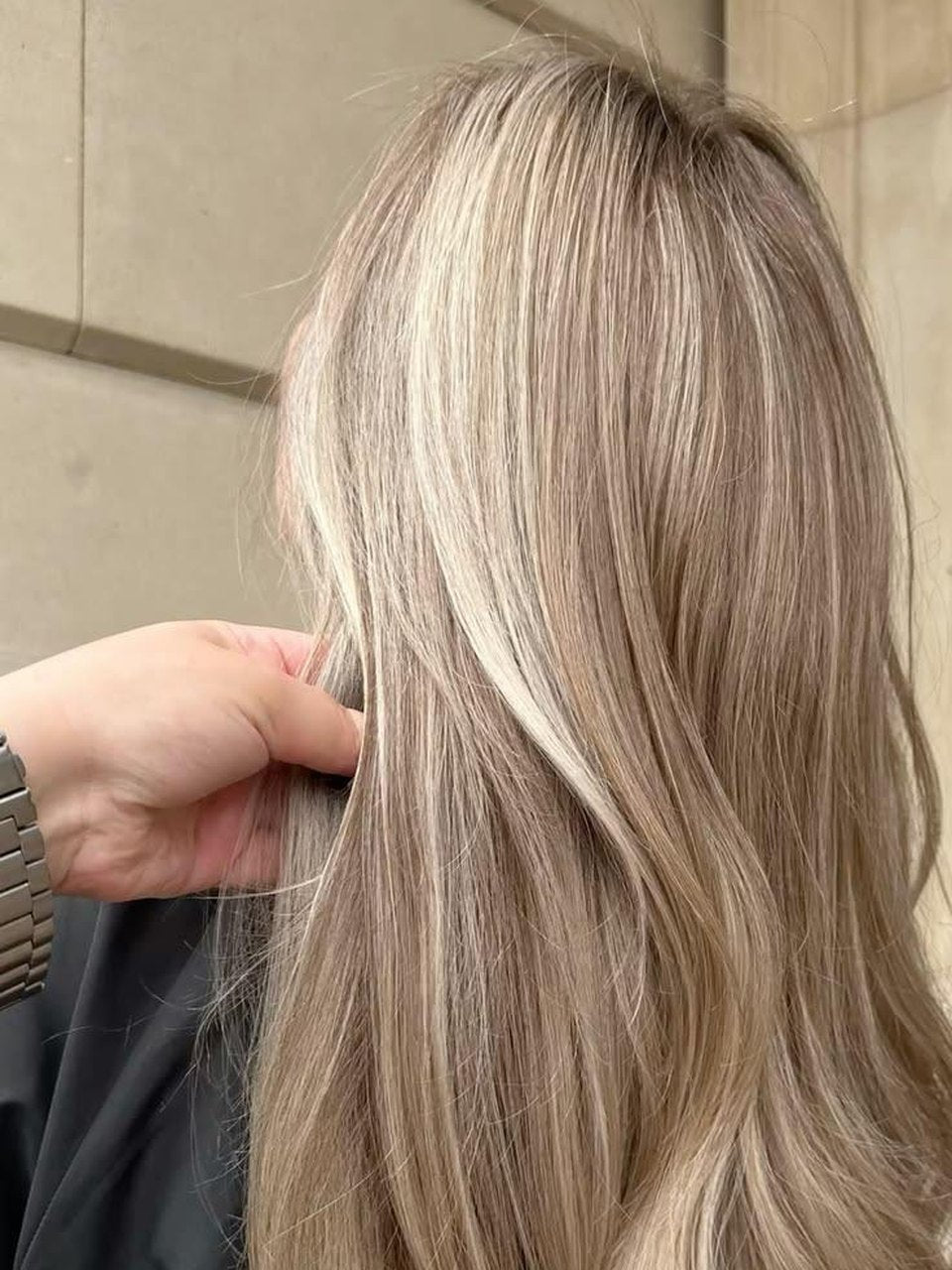
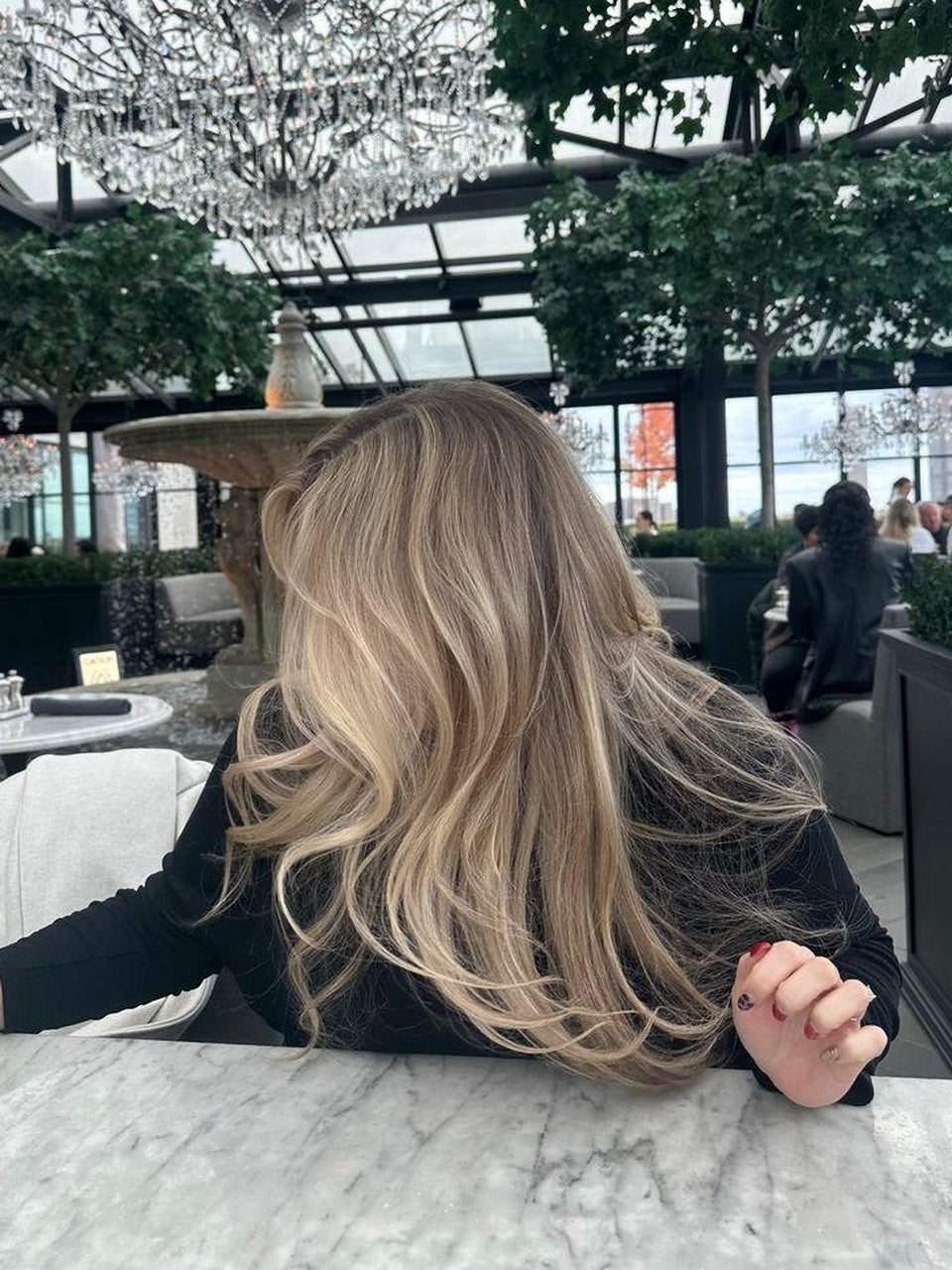
Because your light brown or dark blonde base holds a red-orange pigment underneath the brown. Any lightening, gentle or at the salon, removes the brown first and lets that red-orange show. It’s normal, and it’s exactly what the Blue shampoo neutralises.
Yes. The spray lightens, the Blue shampoo corrects the tone that appears along the way. They’re made to work together: you lighten with one, you keep the blonde cool with the other, once or twice a week.
No. Its blue pigments neutralise brassiness on hair that’s already lightened, without changing your starting colour. The result depends on your base: the lighter your lengths, the more visible the correction.
No, for yellow it’s the purple shampoo. Blue targets brassiness, which mostly affects light brown and dark blonde bases. If you have both, you can alternate them.
An email 24 hours before everyone else, with the link to order before the public launch, then a reminder on launch day. It’s free and you commit to nothing.
No, signing up gives you early access, not a reservation. You decide whether to order when you receive your link.
By signing up, you agree to receive our emails about this launch. Unsubscribe in one click.