Your blonde goes darker every winter, and it doesn't have to be that way
-62% + free delivery


Why your blonde goes darker in winter (and how to stop it)
2nd spray free, plus 44 EUR of gifts with it.
Results from the very first application
They're talking about us








The sun no longer does half the work.

In summer, UV rays lighten your lengths without you doing a thing. From October to March, that free lightening stops dead. Your blonde isn't really getting darker: it's simply stopped being lightened.
Your roots are growing back to their true colour.

Without the sun, new lengths grow in darker than the rest, and the line shows up even more because the rest lightened all summer long. It's not you, it's the season.
Heating, hot water and beanies dull your highlights.

Dry air, hotter showers, collars and beanies rubbing against your hair: the golden reflects fade one after another, and your blonde looks grey before it even looks darker.
« Fantastic! Finally a way to lighten my hair without damaging it! It's shiny and golden like in summer, I'm obsessed! »
The good news: two steps are all you need to get through winter.

Blond Vanille when you wash, to revive the golden tones the season dulls. And if your blonde has really gone darker, the lightening spray, 95% natural, the recipe Zoé got from her grandmother.
Real blondies, real results
Before on the left, after on the right. Sent by our customers.
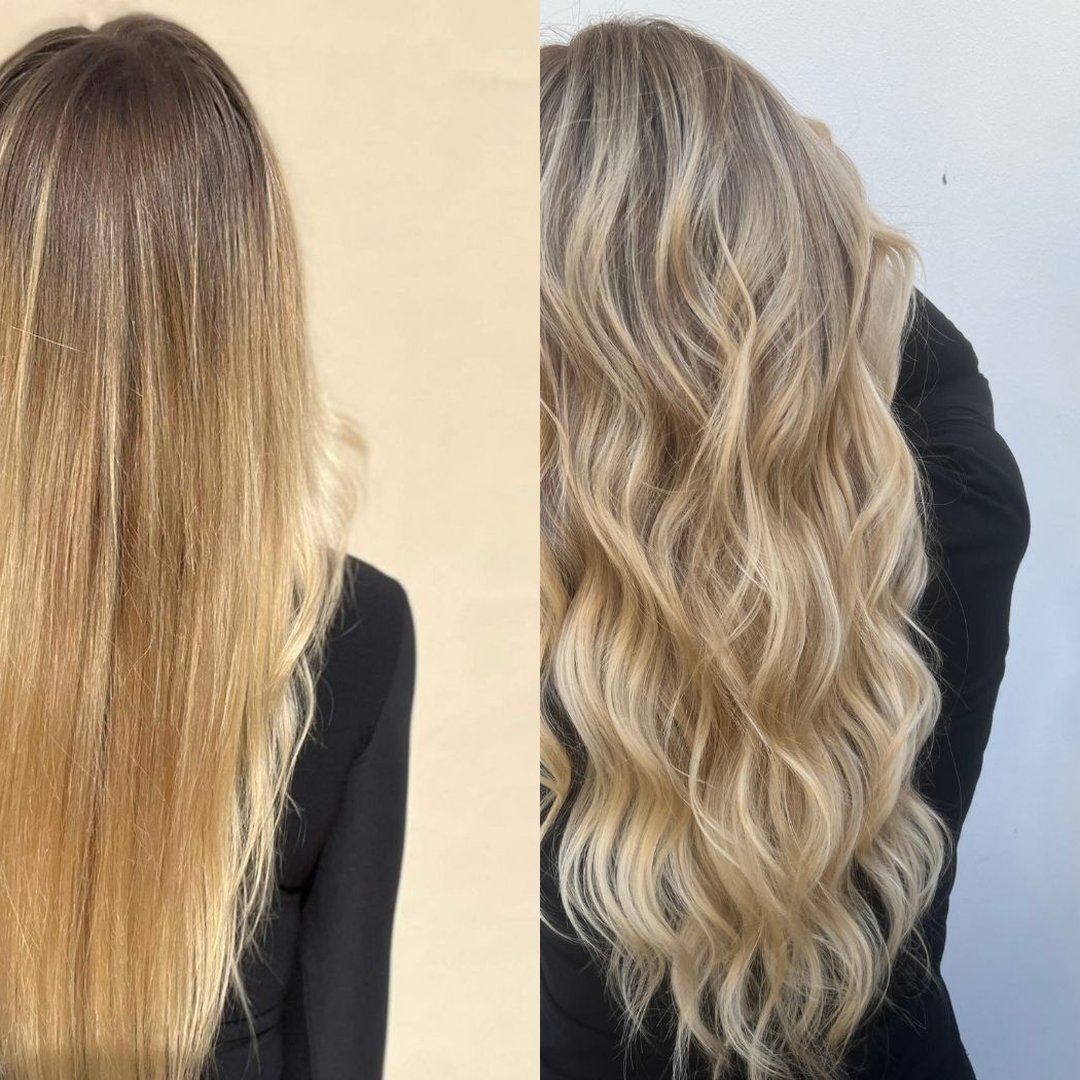
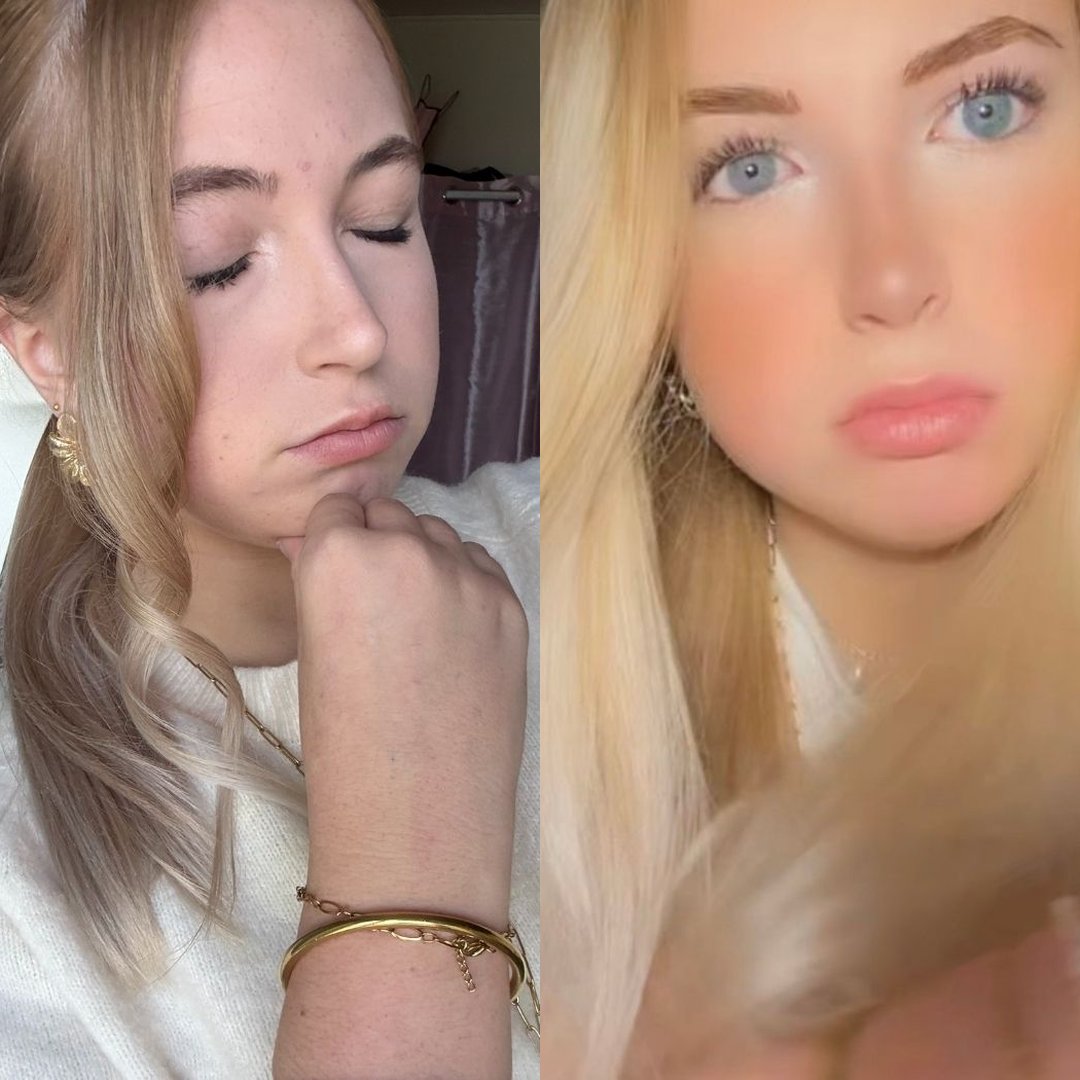
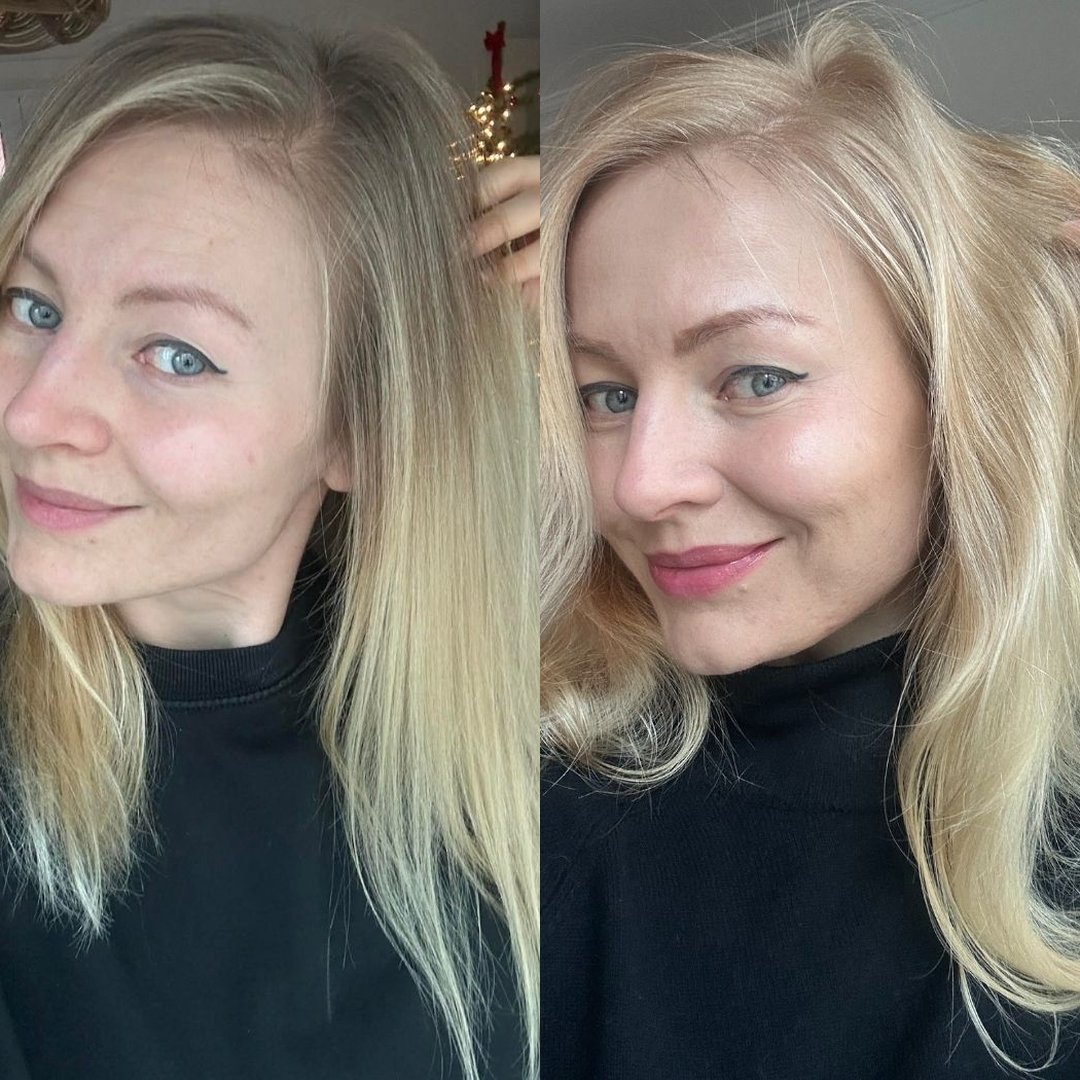
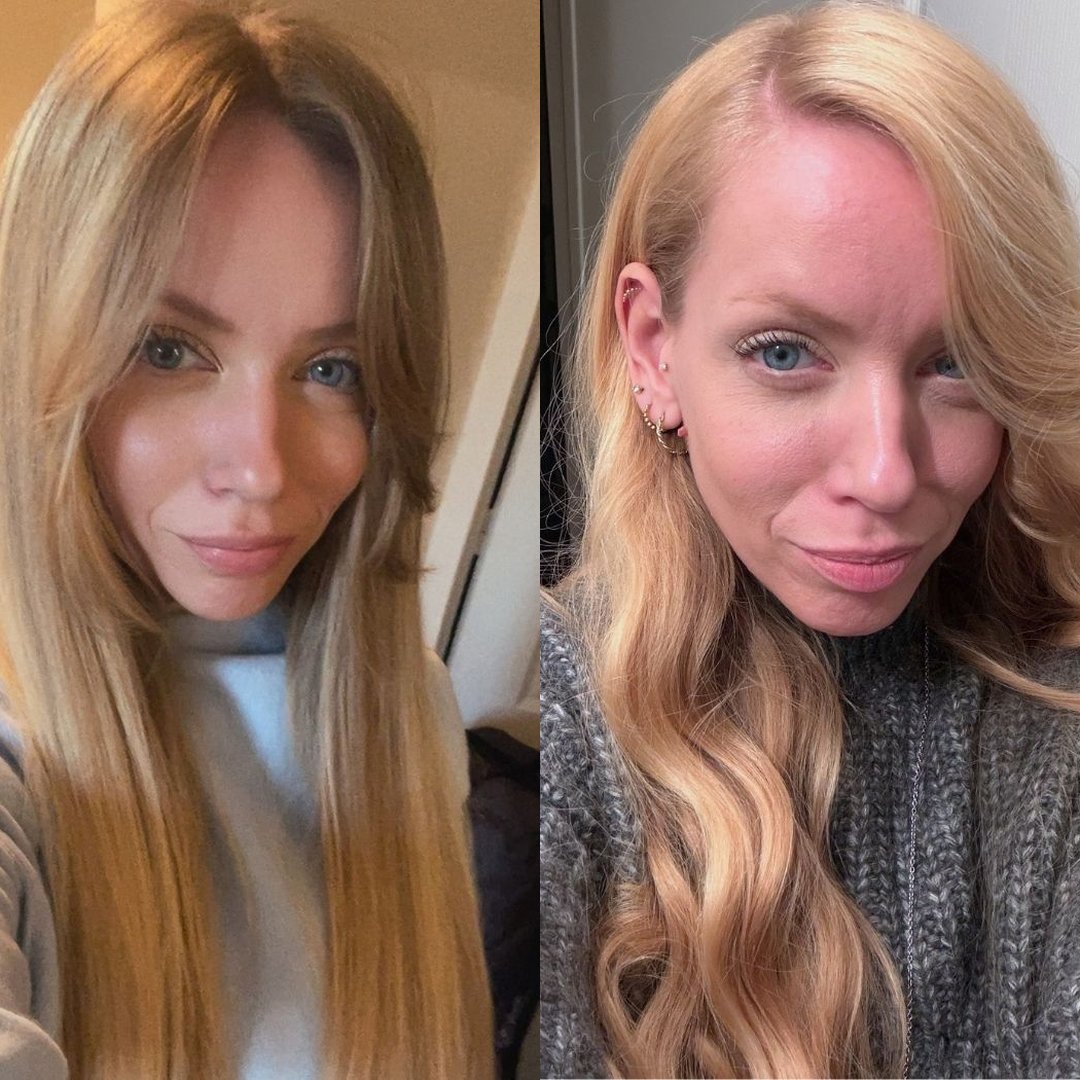
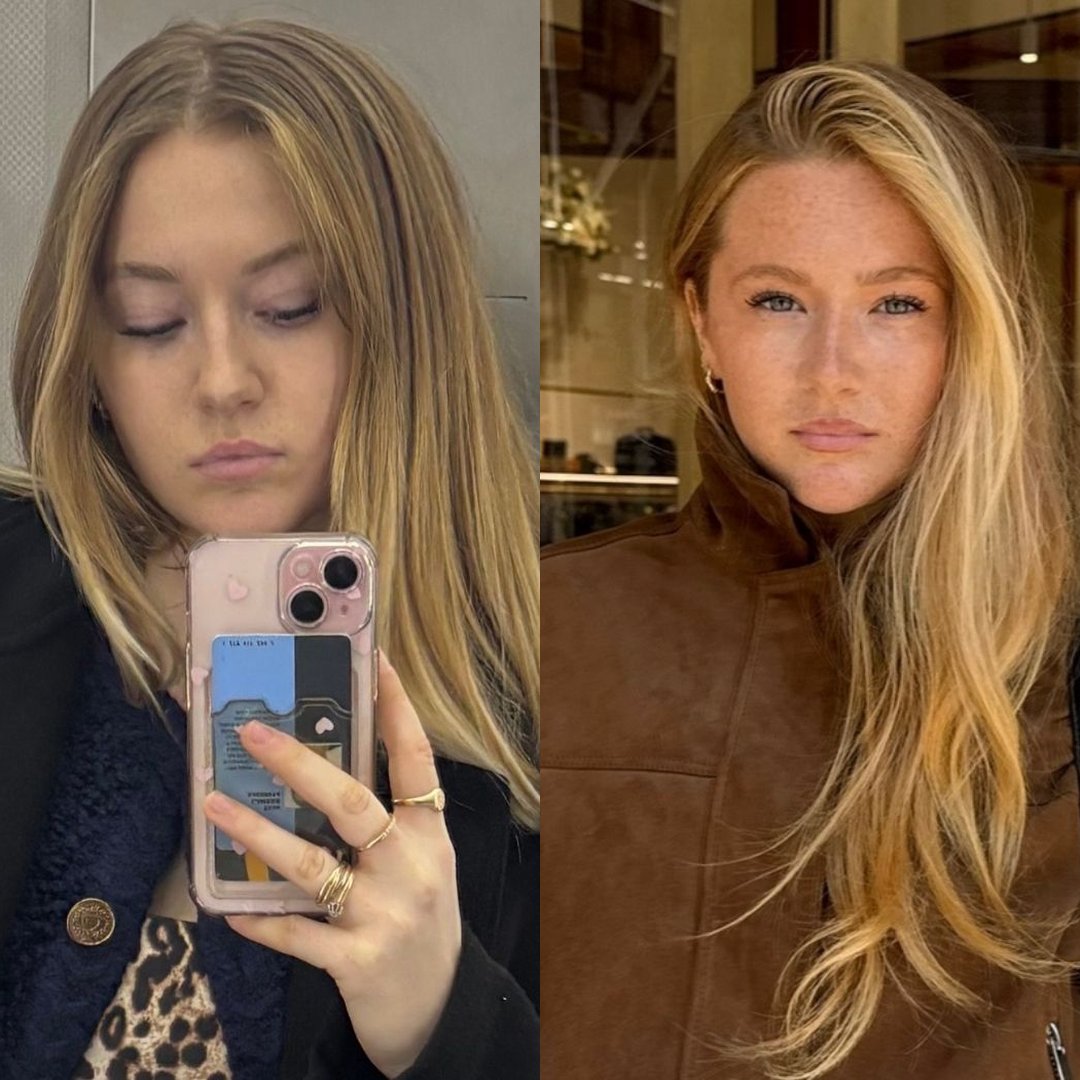
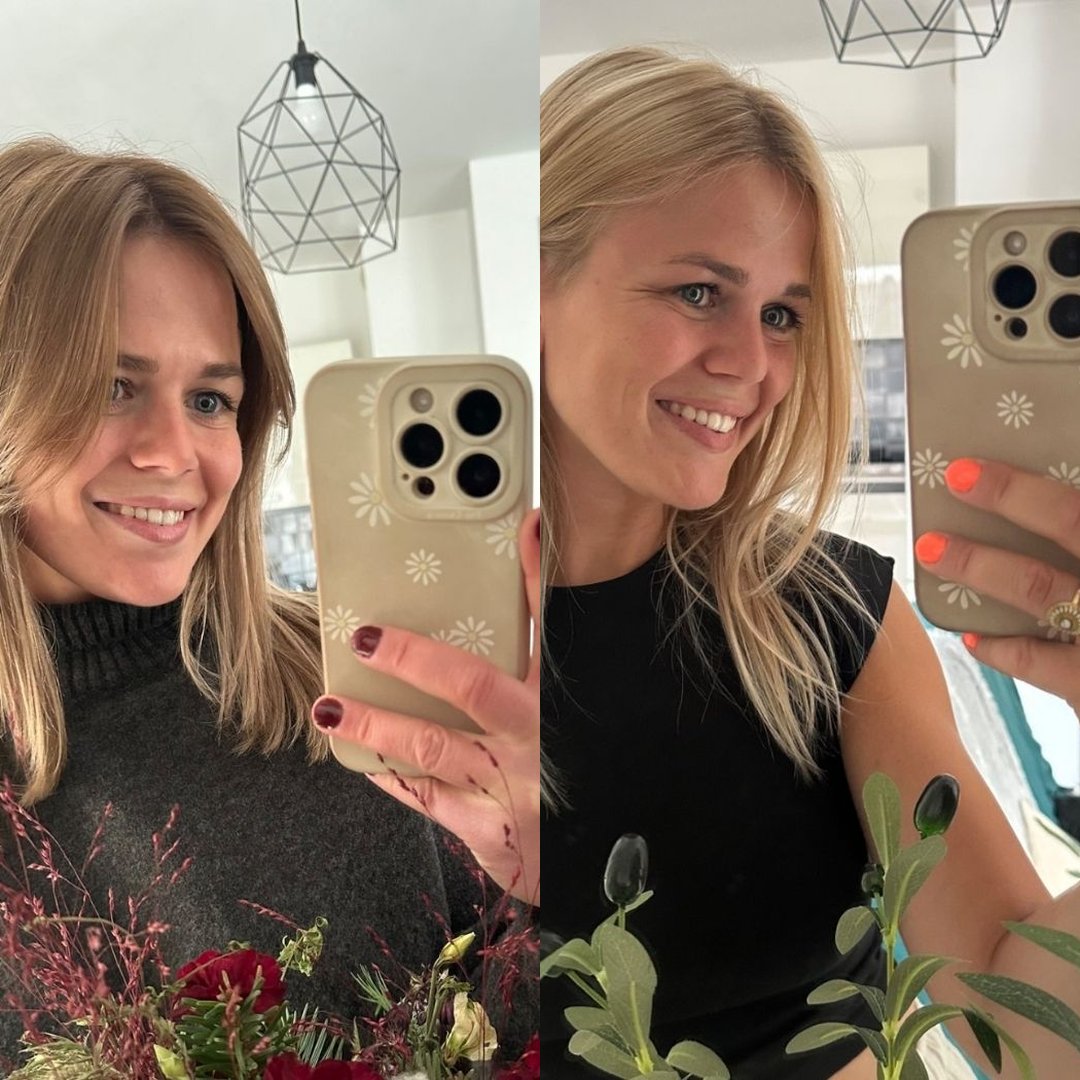
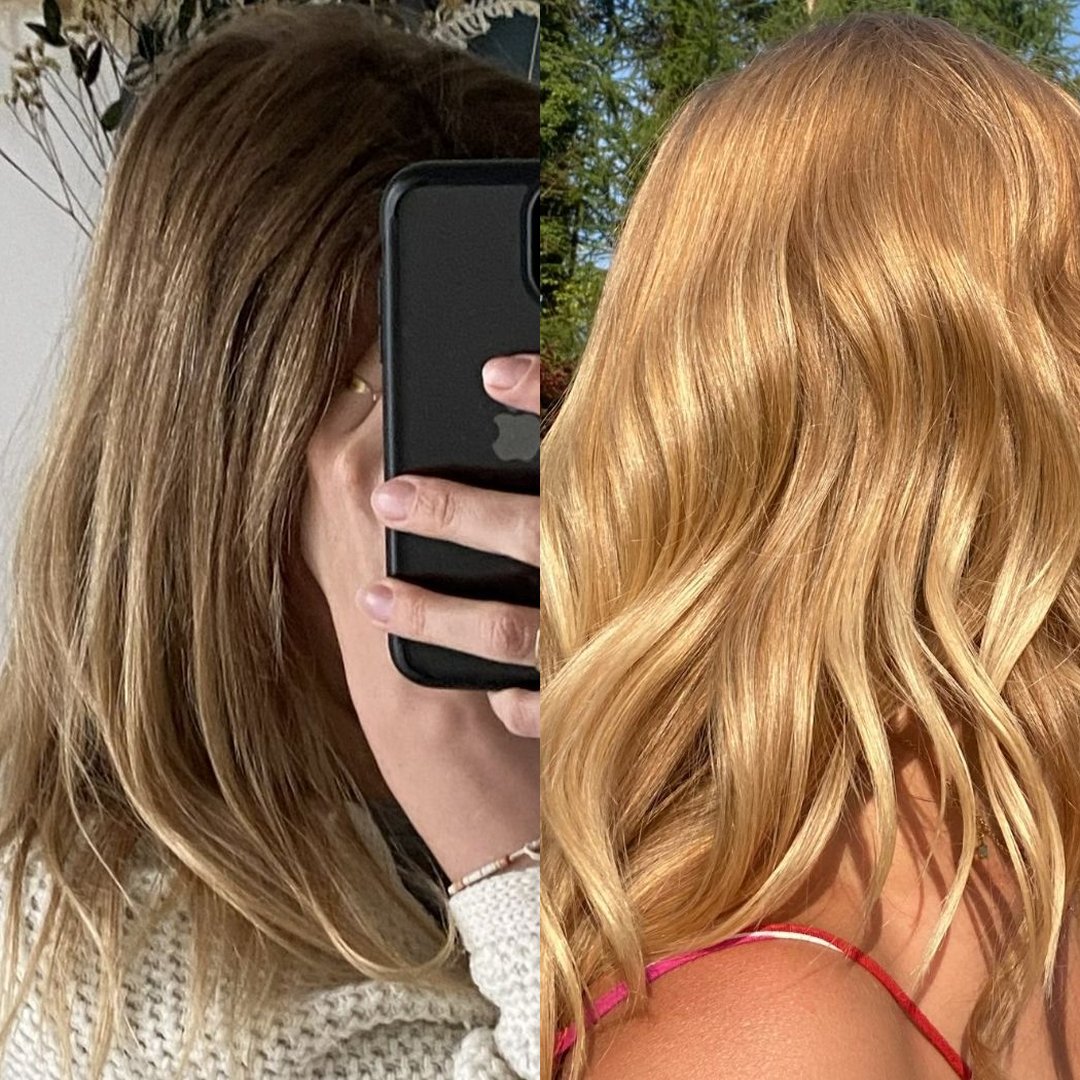
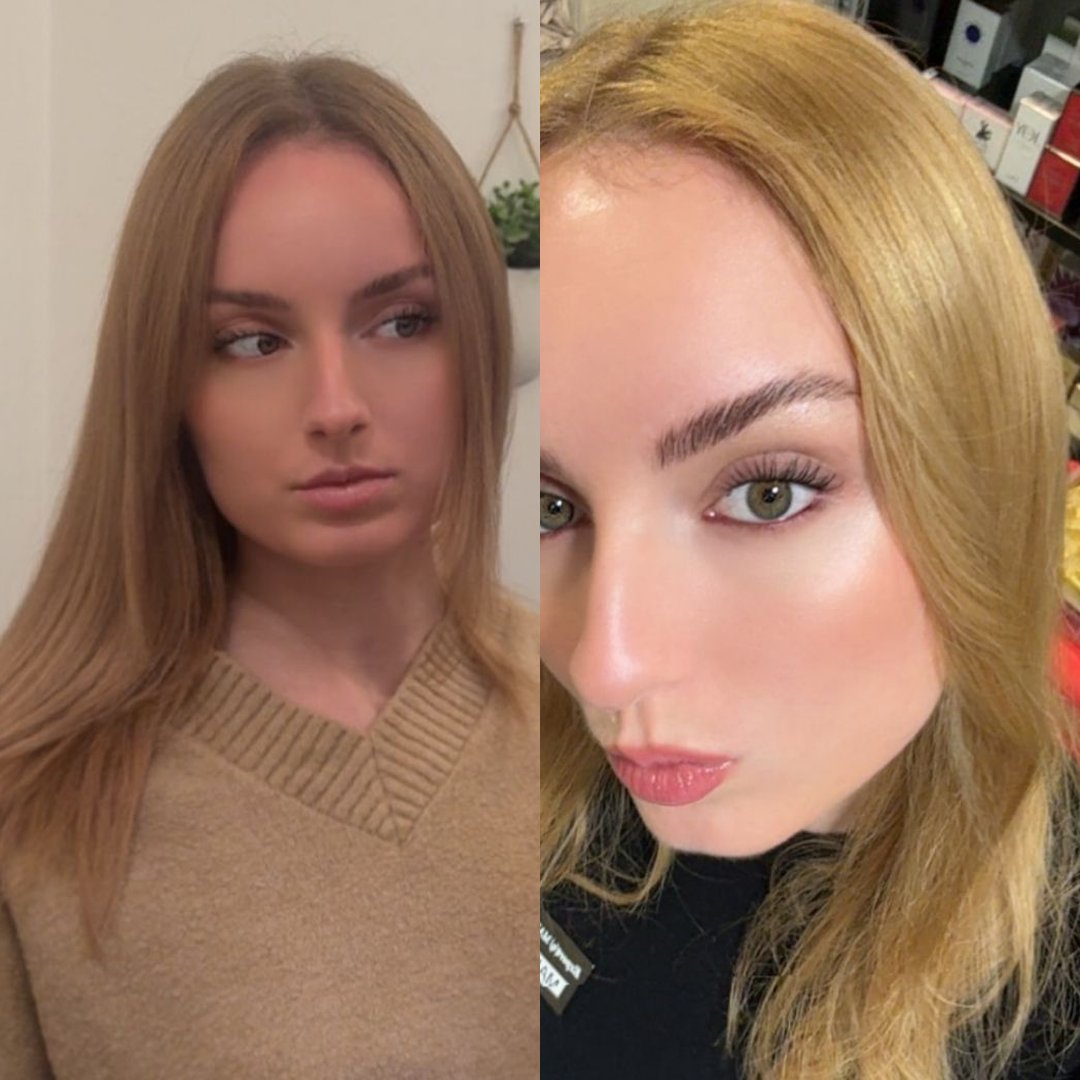
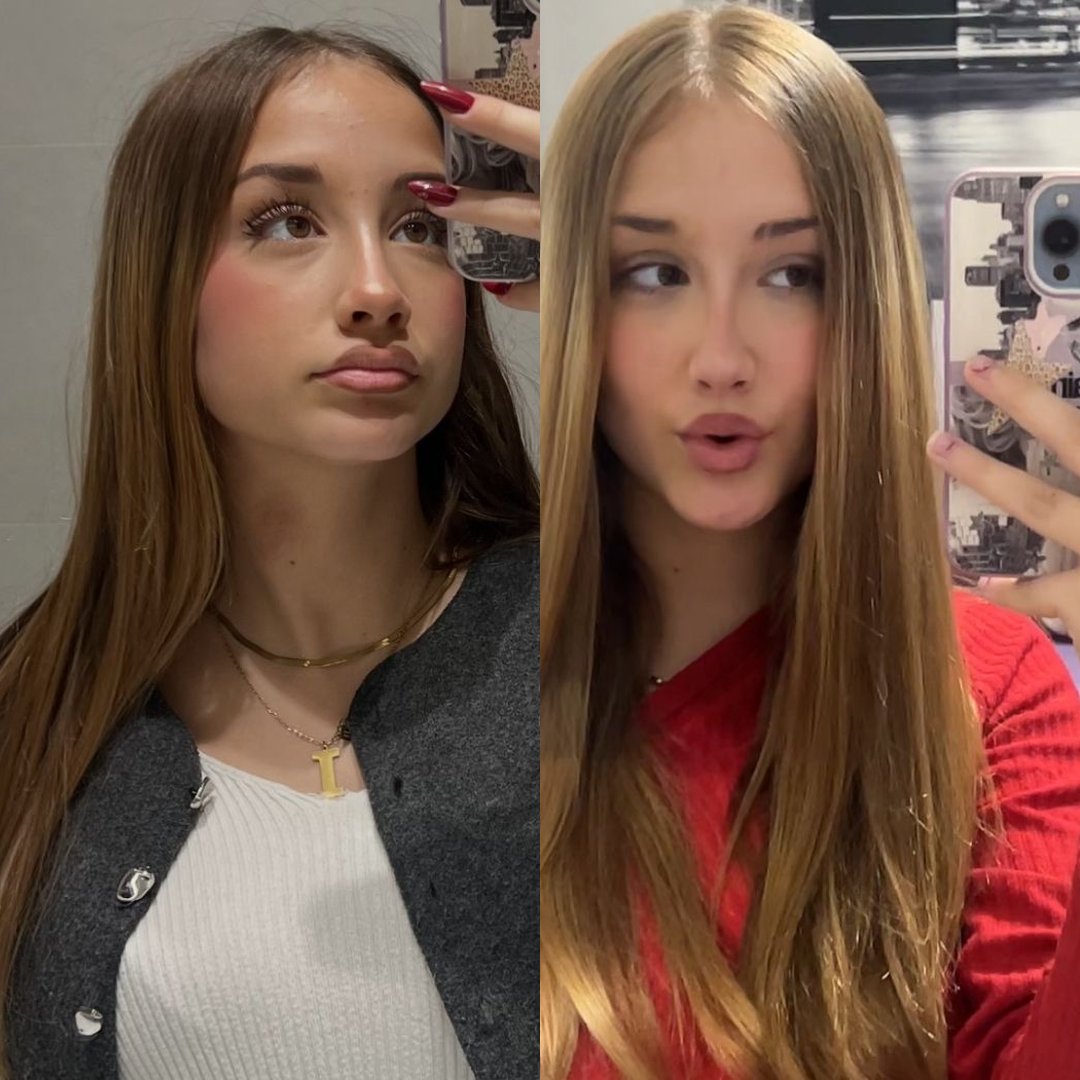
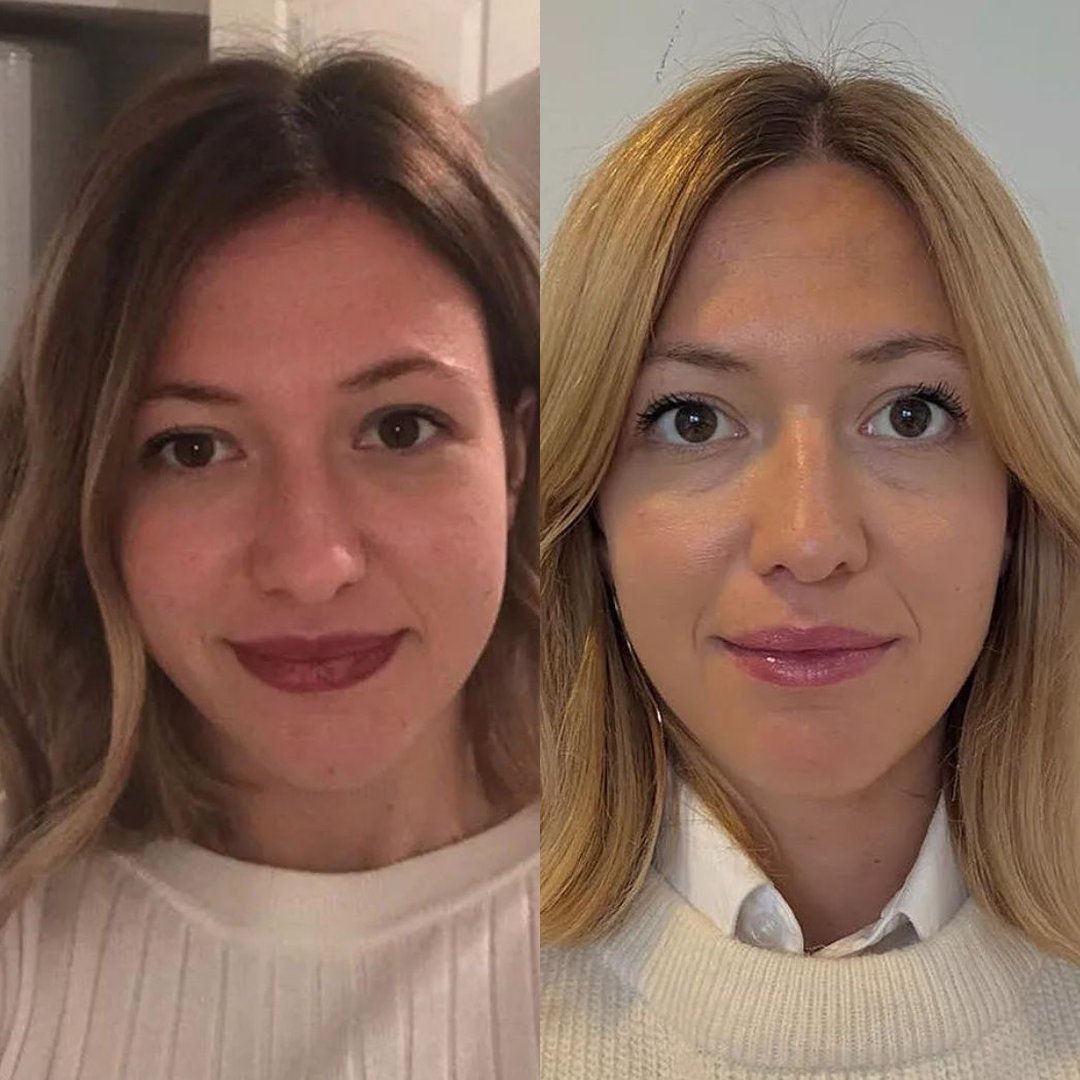
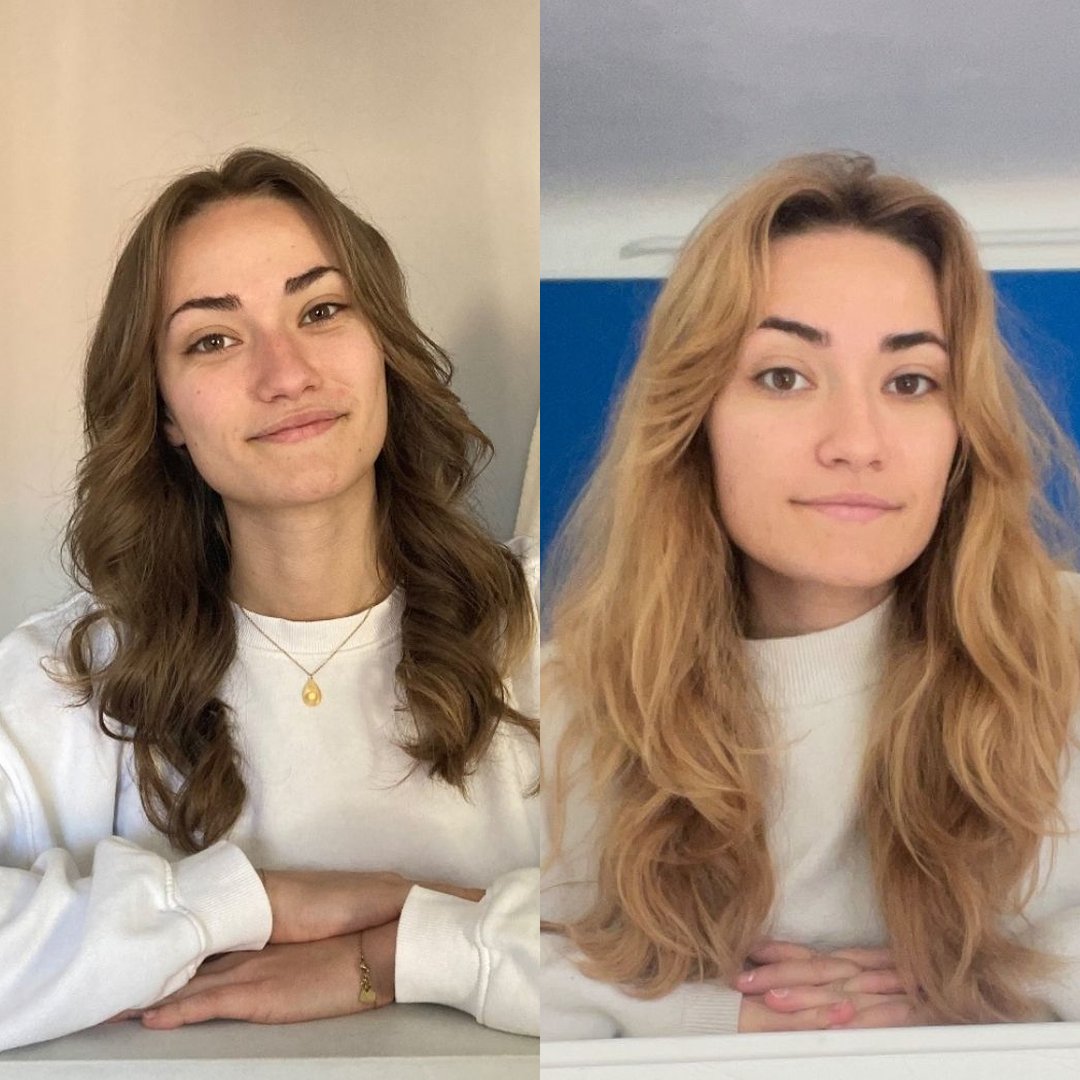
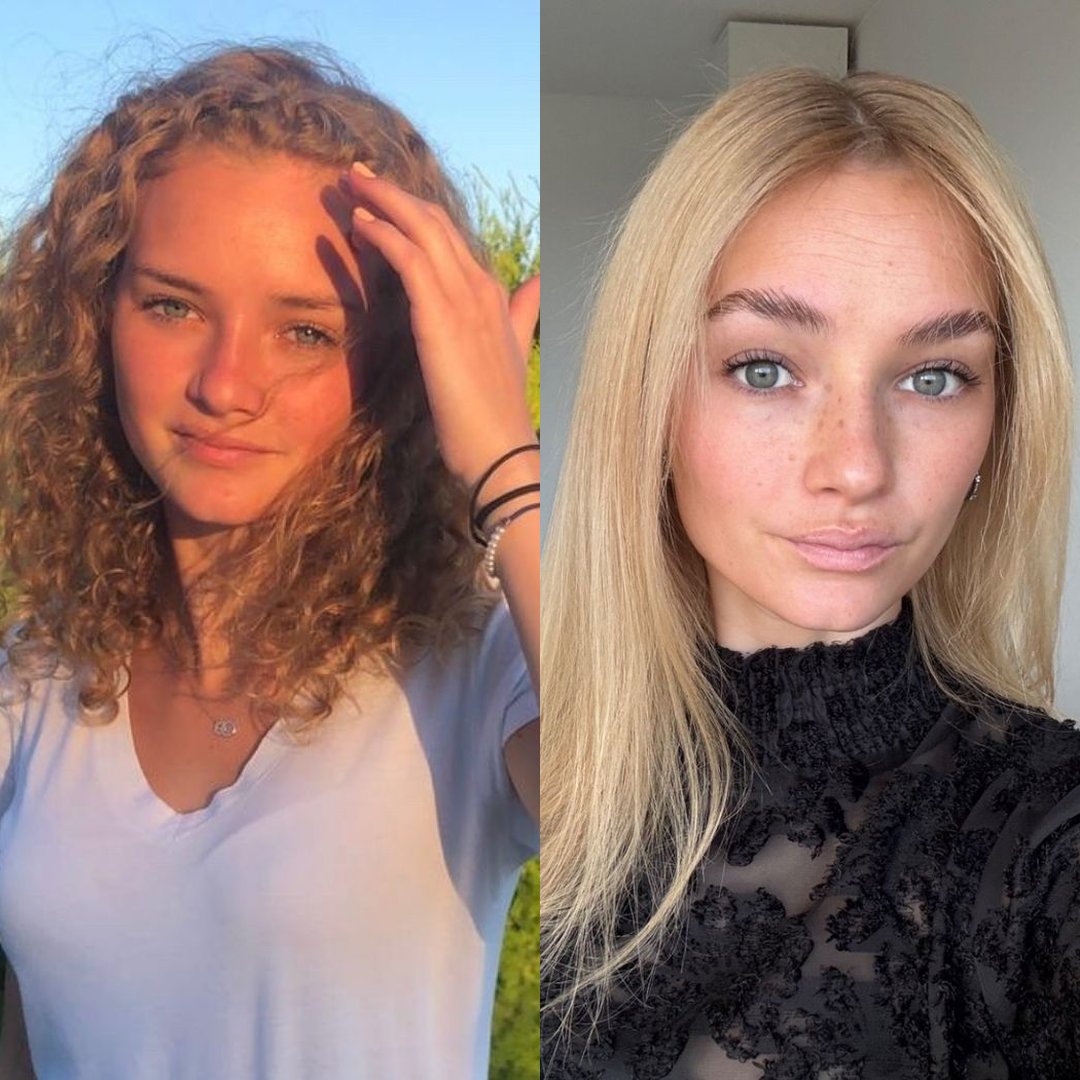
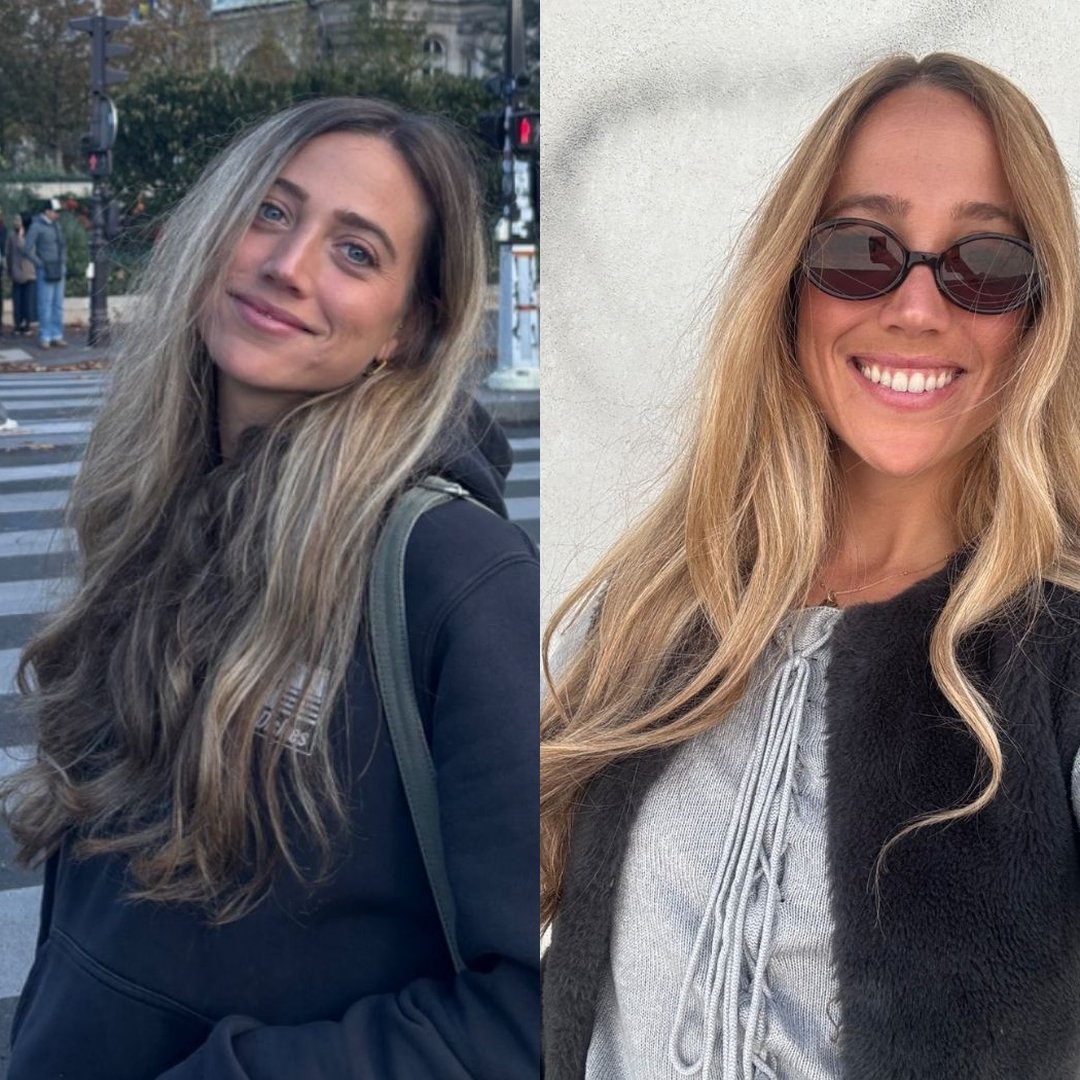
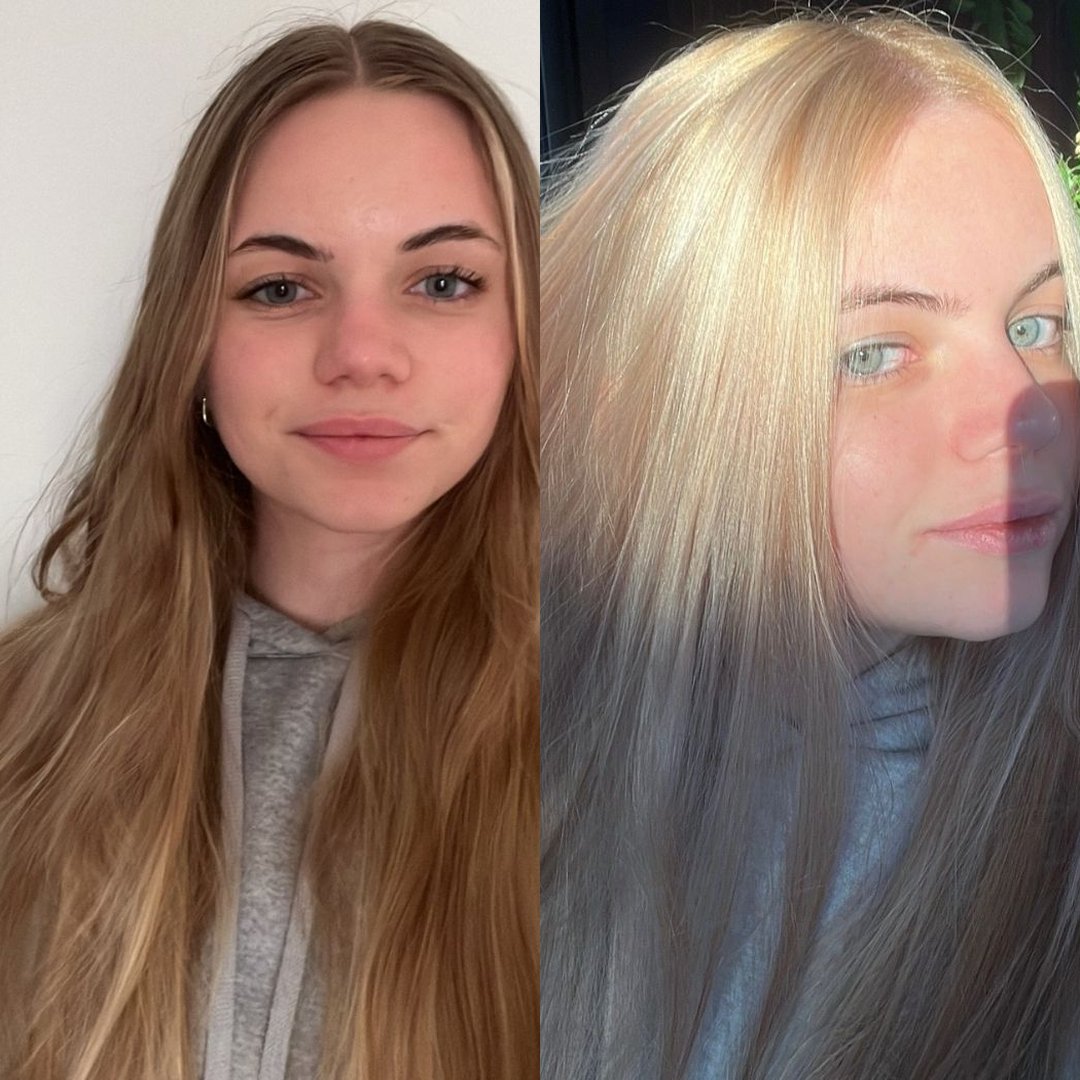
Real photos sent in by our customers. Never edited, never retouched.
They got their blonde back
5 étoiles sur 5« No more damaged hair »
This shampoo is amazing, it lets me maintain my blonde without a trip to the salon. So much money saved and no more damaged hair.
5 étoiles sur 5« Get my childhood blonde back »
I managed to lighten my hair and get back the blonde I had as a child, even though I'd turned brown, a very dark blonde!
5 étoiles sur 5« Better than at the hairdresser's! »
I use the spray twice a week. My blonde looks natural. It's better than at the salon!
5 étoiles sur 5« A golden blonde full of highlights »
I've been using the spray for 1 month now and I've really seen a difference, I went from dark blonde to a golden blonde with loads of highlights
5 étoiles sur 5« After just 3 uses »
After just 3 uses, my roots almost match the colour of my lengths, where I'd had balayage done
The Blondies universe
Blonde is a whole world. Welcome.


Swap 150 to 200 EUR at the salon for 2 steps at home
Maintaining blonde hair at the salon means a real budget and appointments every 8 weeks. The routine does the same job at home, at your own pace, without damaging your lengths.
| OMAD'S | The salon | |
|---|---|---|
| Progressive lightening at home | Balayage: 150 to 200 EUR | |
| Golden tones revived with every wash | Visible roots in 8 weeks | |
| 5 minutes, 2 steps, at home | 3 hrs + the appointments | |
| 95% natural, ammonia-free | Damaged ends | |
| Your own blonde, revived | A different colour, not YOUR blonde | |
| €74the complete routine, months of maintenance | Your cost: | 150 to 200 EURat every appointment |
Tested by an independent laboratory
We knew the spray was a hit. We wanted to know what women who don't know us would say about it, under real lab conditions. Here's what they answered.
100%
recommend it
100%
found it easy to apply
90%
got an even result, with no line of demarcation
80%
would buy it again
Independent user study by QACS Ltd, Greece, September 2025, report 25 39 00192.
Your exclusive offer, Autumn Offer

2 sprays + your shampoo
74,00€ 157,00€
| Your products | |
| 1 Lightening spray | €39 |
| 1 Vanilla Blonde Shampoo | €35 |
| We're adding | |
| 1 Lightening spray | €39 |
| The Great Book of Lightening | €14 |
| Give your lightening a colour | €9 |
| Mystery Gift | €16 |
| Delivery | €5 |
| Cart value | 157,00€ |
The 2nd spray is free.

The ultimate deal: 4 sprays, 2 shampoos and the brush
129,00€ 344,00€
- 4 Lightening sprays (156 EUR), four months of use
- 1 Blond Vanille Shampoo (35 EUR)
- 1 Purple shampoo against yellow tones (35 EUR)
- 1 Boar bristle brush (65 EUR)
- Free delivery (5 EUR)
- 1 free e-book: The Big Book of Lightening (14 EUR)
- 1 free e-book: Giving Your Lightening a Colour (9 EUR)
- 1 free e-book: Polar Blonde at Home (9 EUR)
- 1 Mystery Gift (16 EUR)
344 EUR value for 129 EUR, that's -62% Up to -62% · ends 10/23
Prefer just one product?

The spray alone
39,00€ 53,00€
- 1 free e-book: The Big Book of Hair Lightening (EUR 14)
- Paid delivery (orders under EUR 70)
- Without the Mystery Gift, it starts at EUR 45
53 EUR value for 39 EUR, that's -26%

Blond Vanille on its own
35,00€ 44,00€
- 1 free e-book: Giving your lightening a colour (EUR 9)
- Paid shipping (orders under EUR 70)
- Without the Mystery Gift, it starts at EUR 45
EUR 44 value for EUR 35, that's -20%

Purple shampoo alone
35,00€ 44,00€
- 1 free e-book: Polar Blonde at home (9 EUR)
- Paid delivery (orders under EUR 70)
- Without the Mystery Gift, it starts at EUR 45
EUR 44 value for EUR 35, that's -20%
Your questions, straight answers
Does it work in winter too, without sun?
Yes. The spray doesn't need the sun, it needs a heat source: 5 minutes with your hair dryer is enough. Winter is actually when it's most useful, since that's the season when the sun no longer works for you.
Will it damage my hair?
No. The spray is 95% natural, alcohol-free and free from harsh preservatives.
How soon will I see results?
With the spray: results from the very first use. 5 minutes, your spray, a heat source. With Blond Vanille, the golden tones come back to life wash after wash.
Why not just get highlights?
Highlights cost 150 to 200 EUR, 3 hours at the salon, and visible roots after 8 weeks. The complete routine costs 74 EUR and you use it at home, at your own pace.
What's the Mystery Gift?
A surprise from the accessories collection, worth 16 EUR. We're not saying more, that's the whole point.
It's in your cart.
Is your blonde looking yellow?
The spray lightens your base, it doesn't neutralise yellow. That's the purple shampoo's job. The two don't do the same work.

Purple shampoo
35,00€
The item couldn't be added. We'll take you to your cart.